Men's Wool jumpers
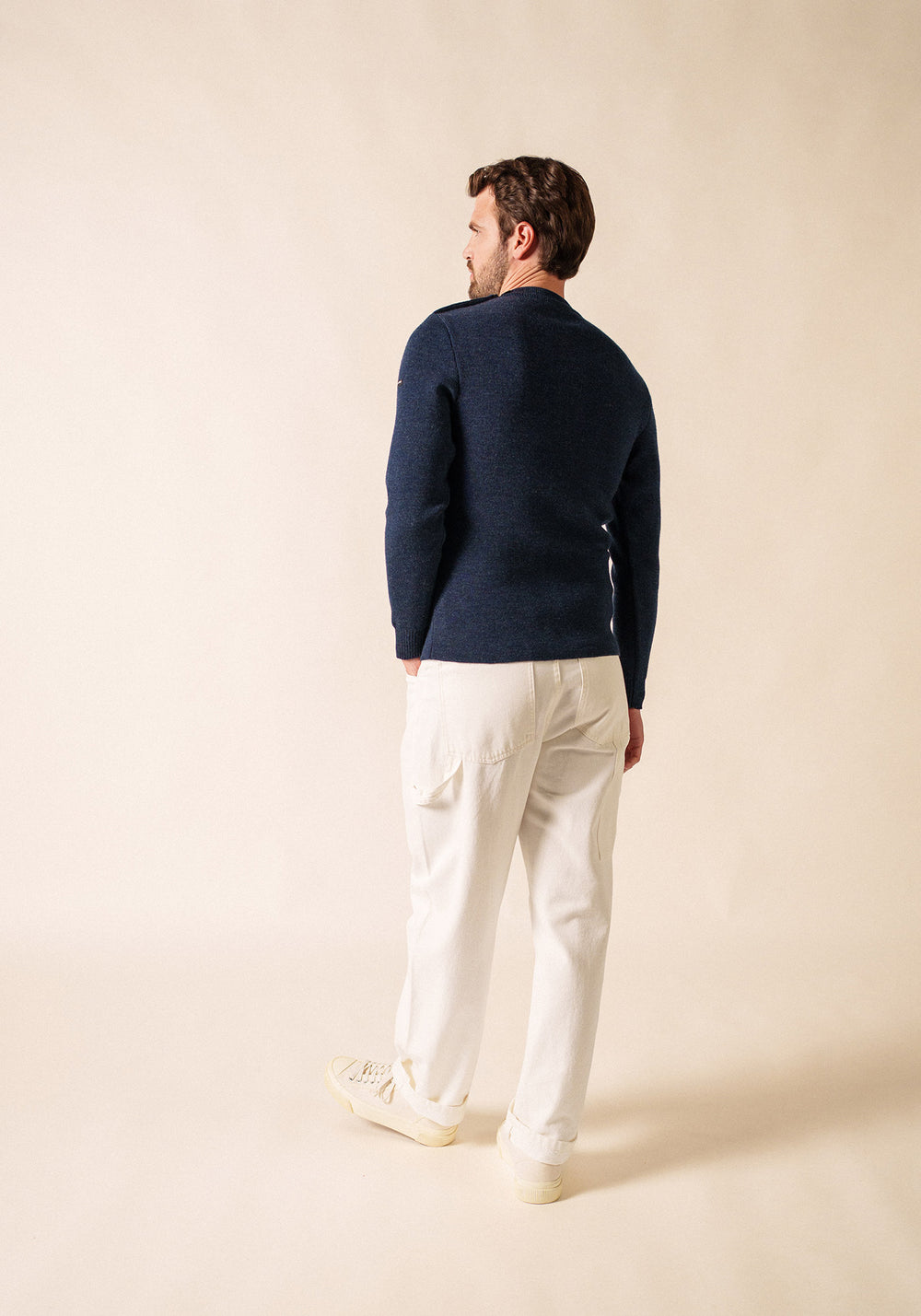
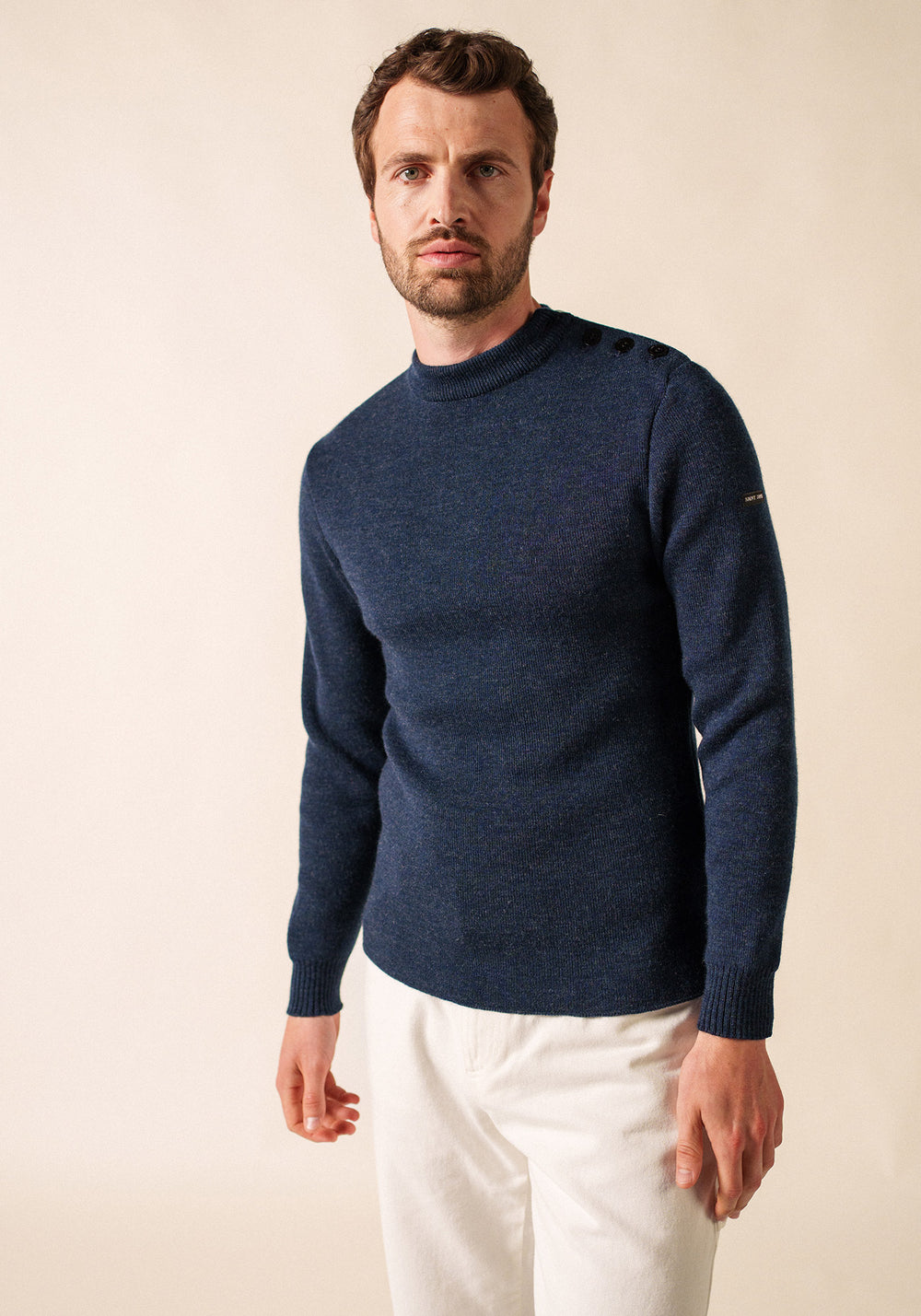
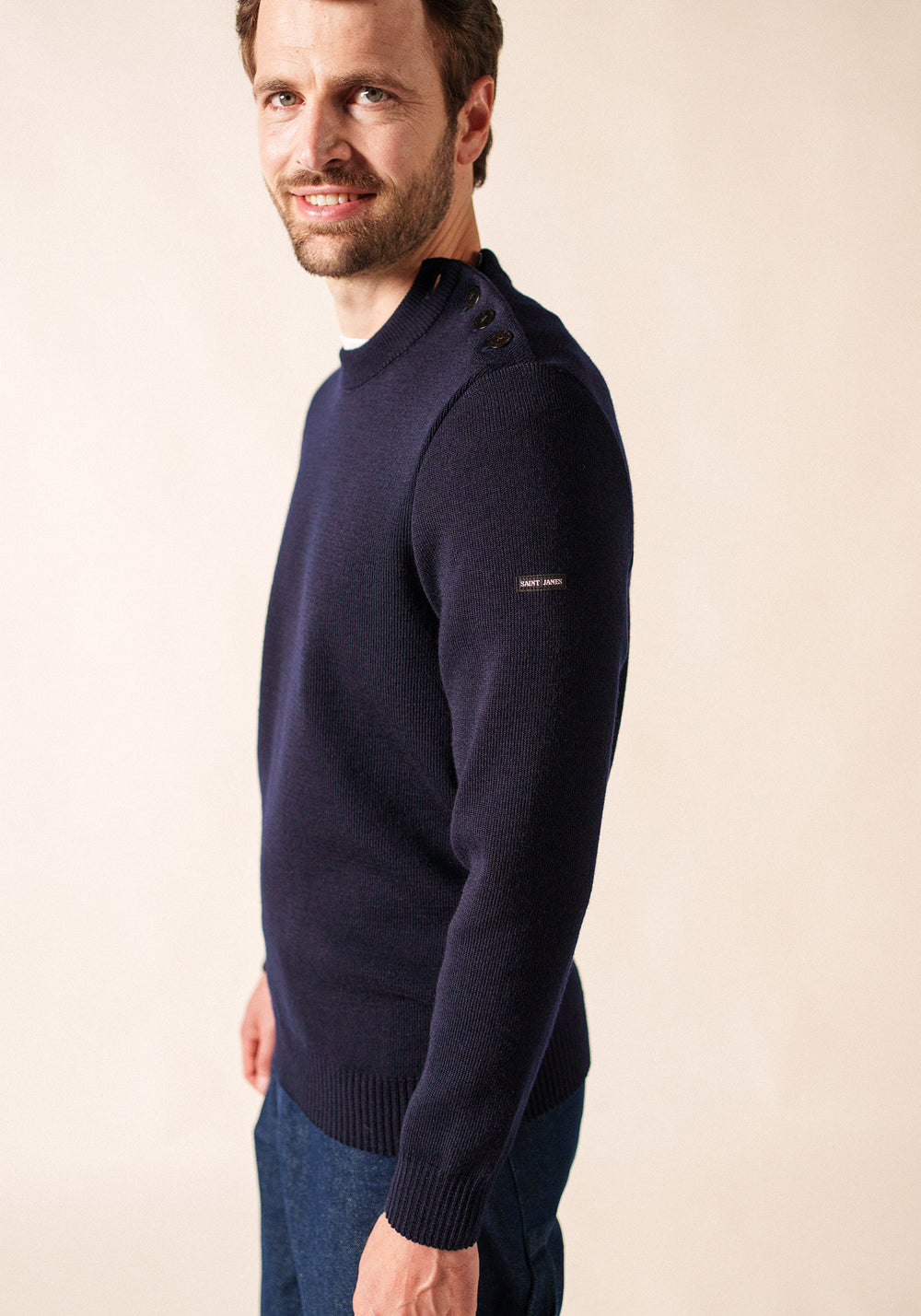
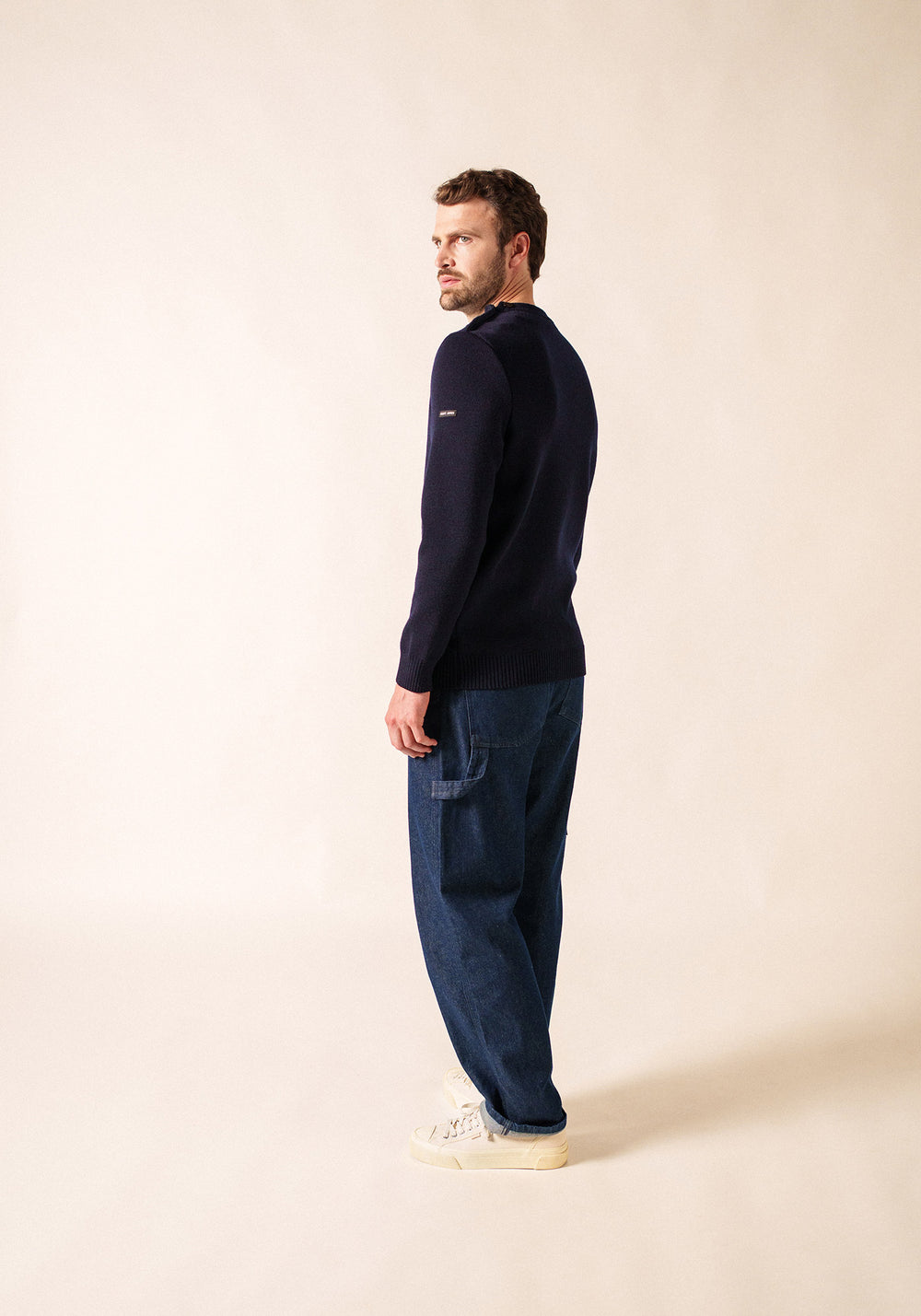
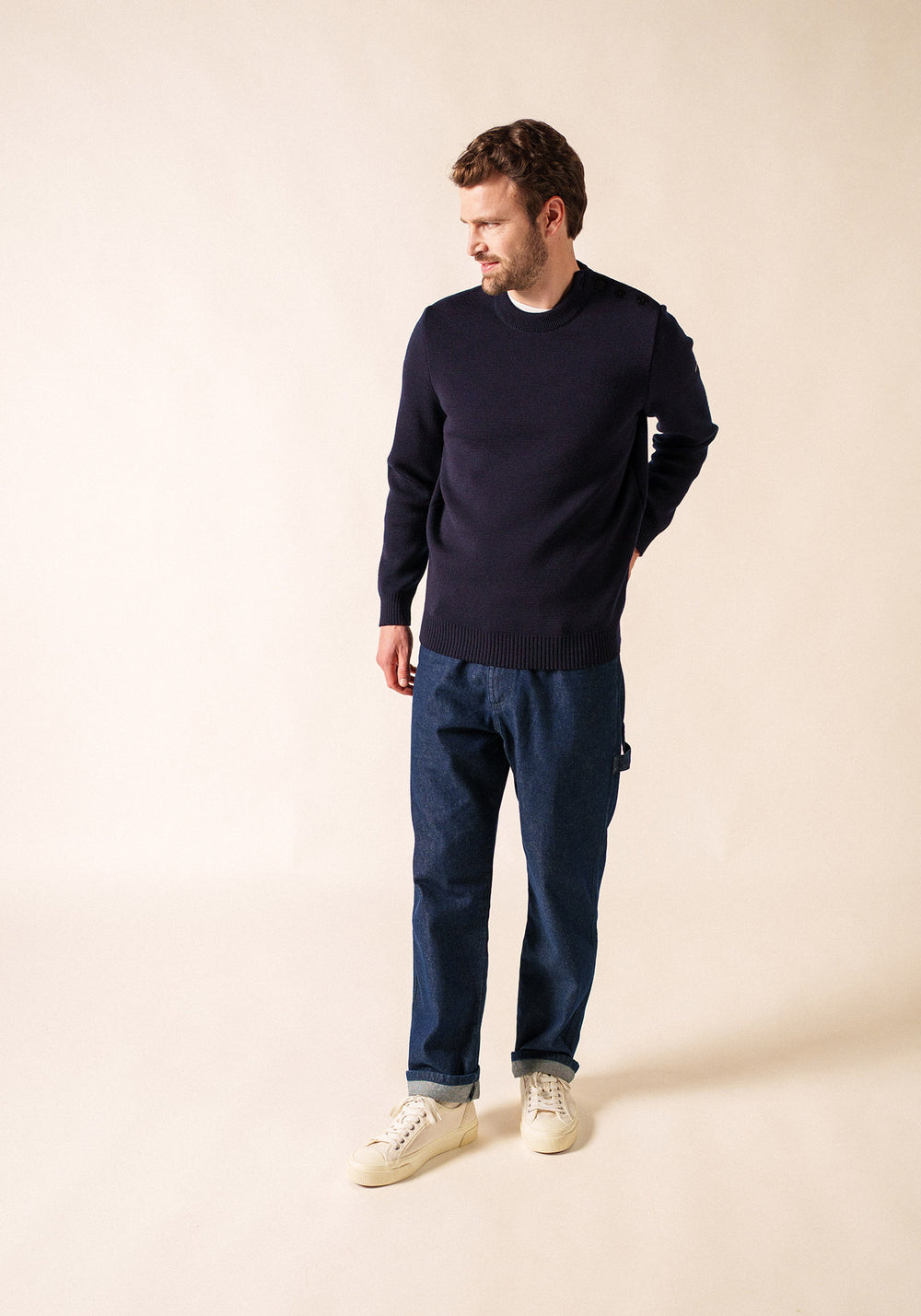
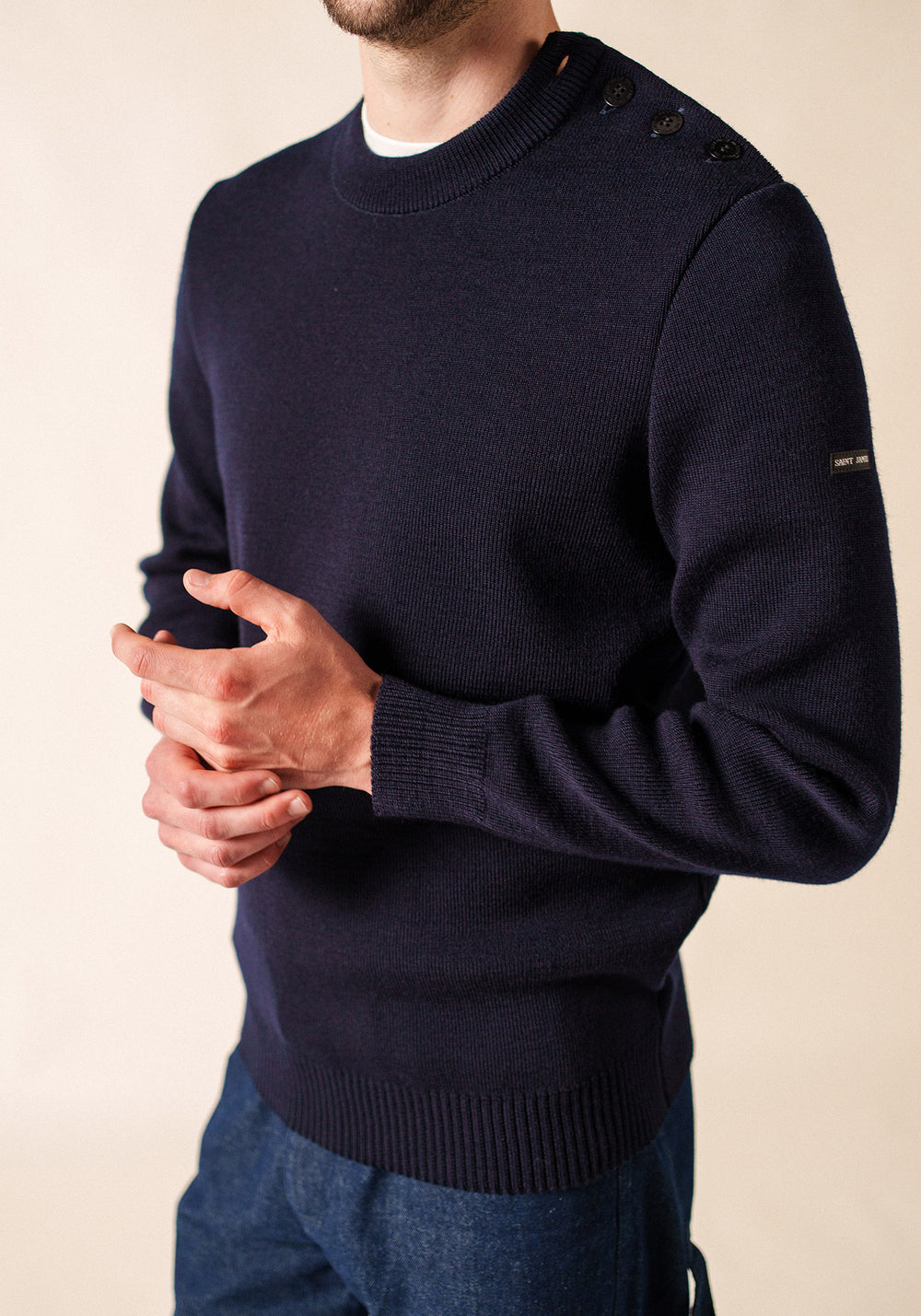
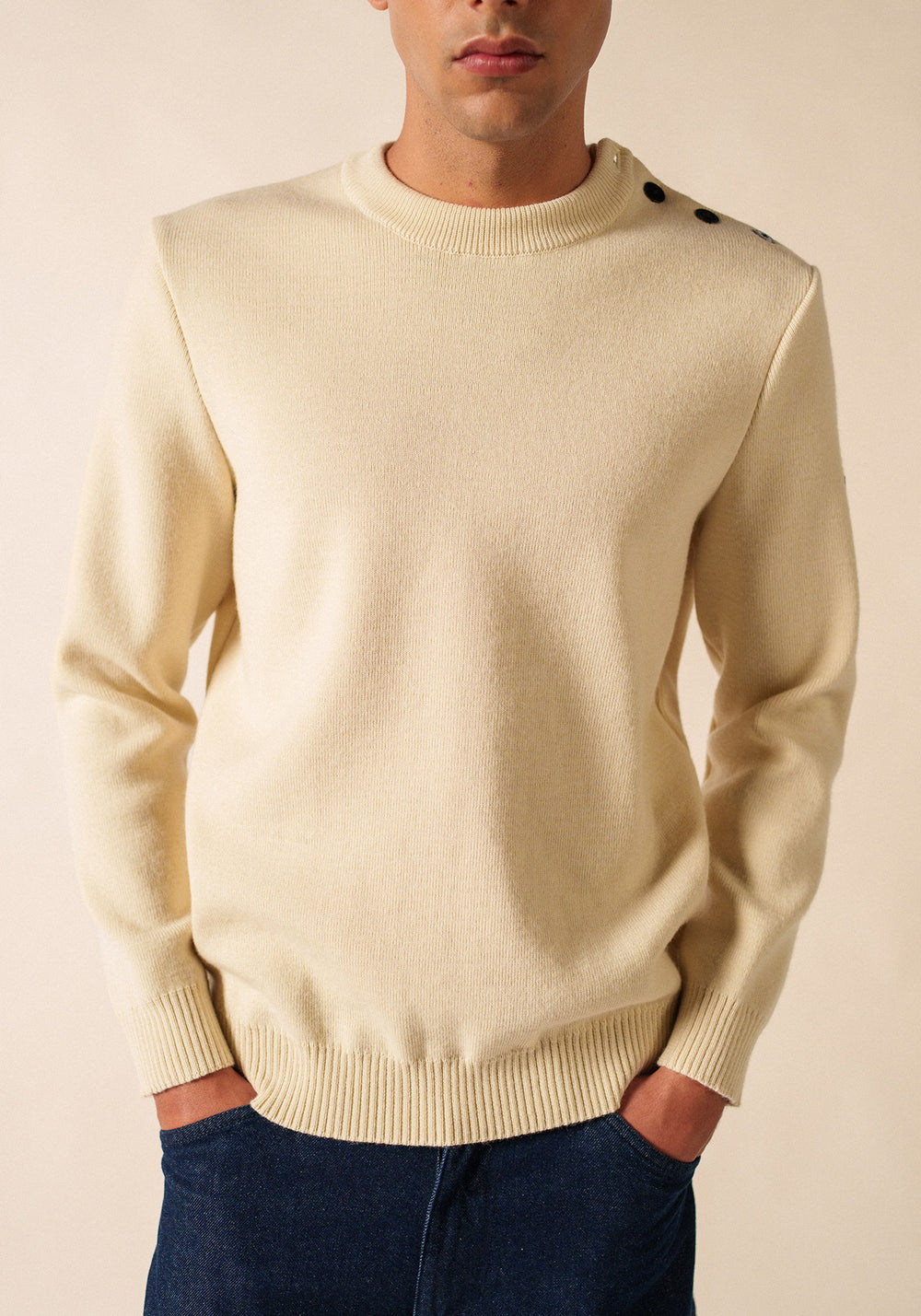
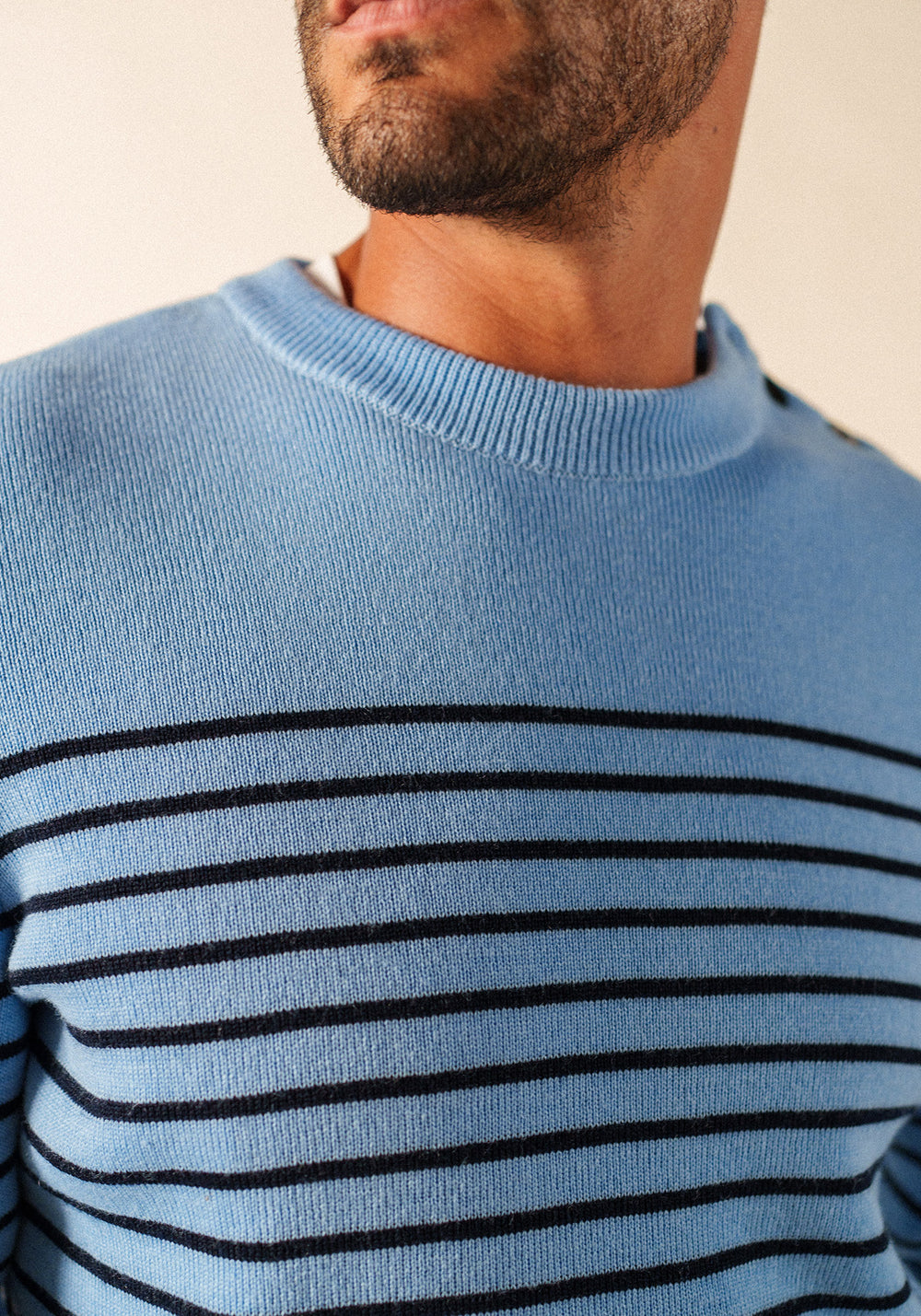
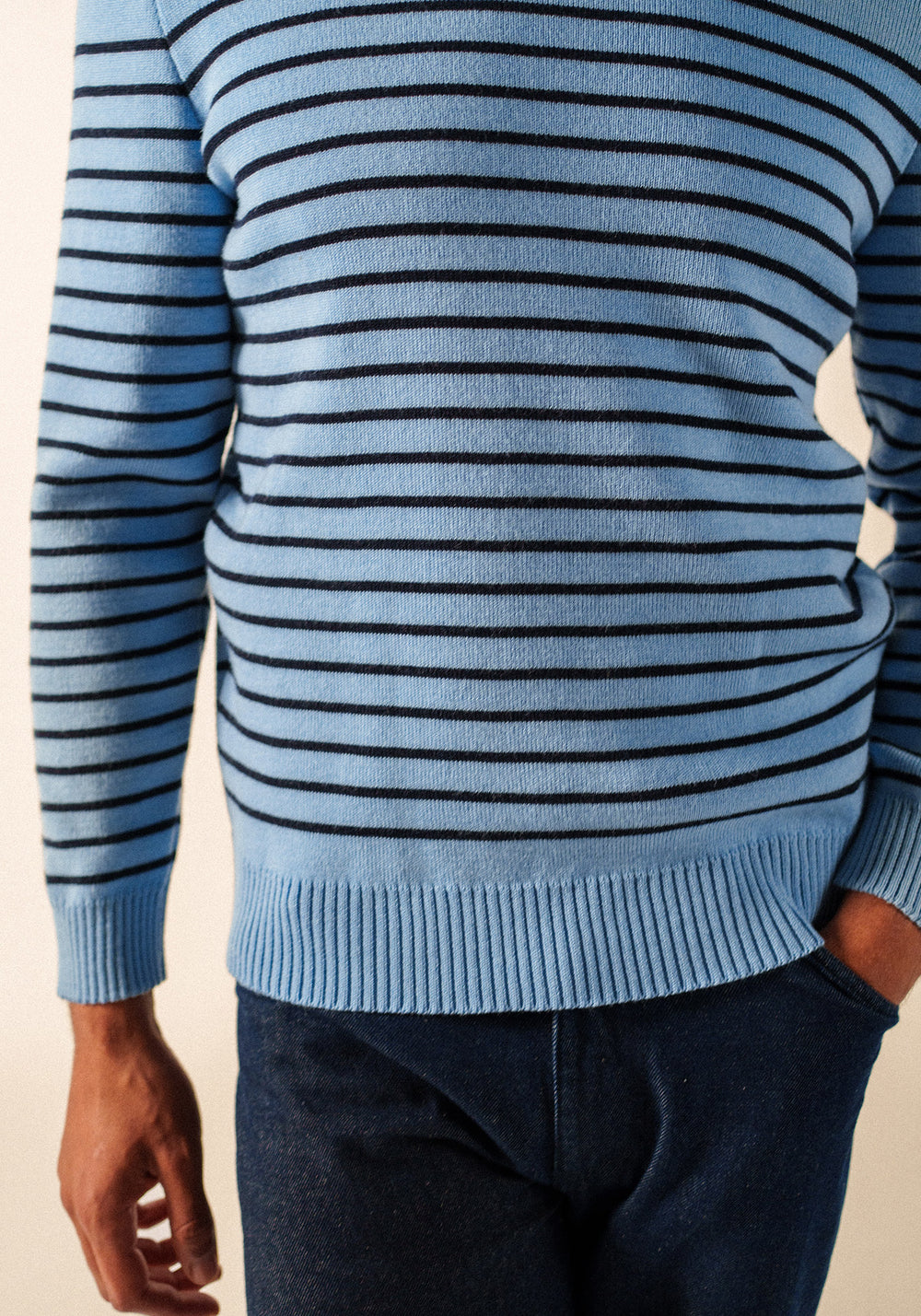
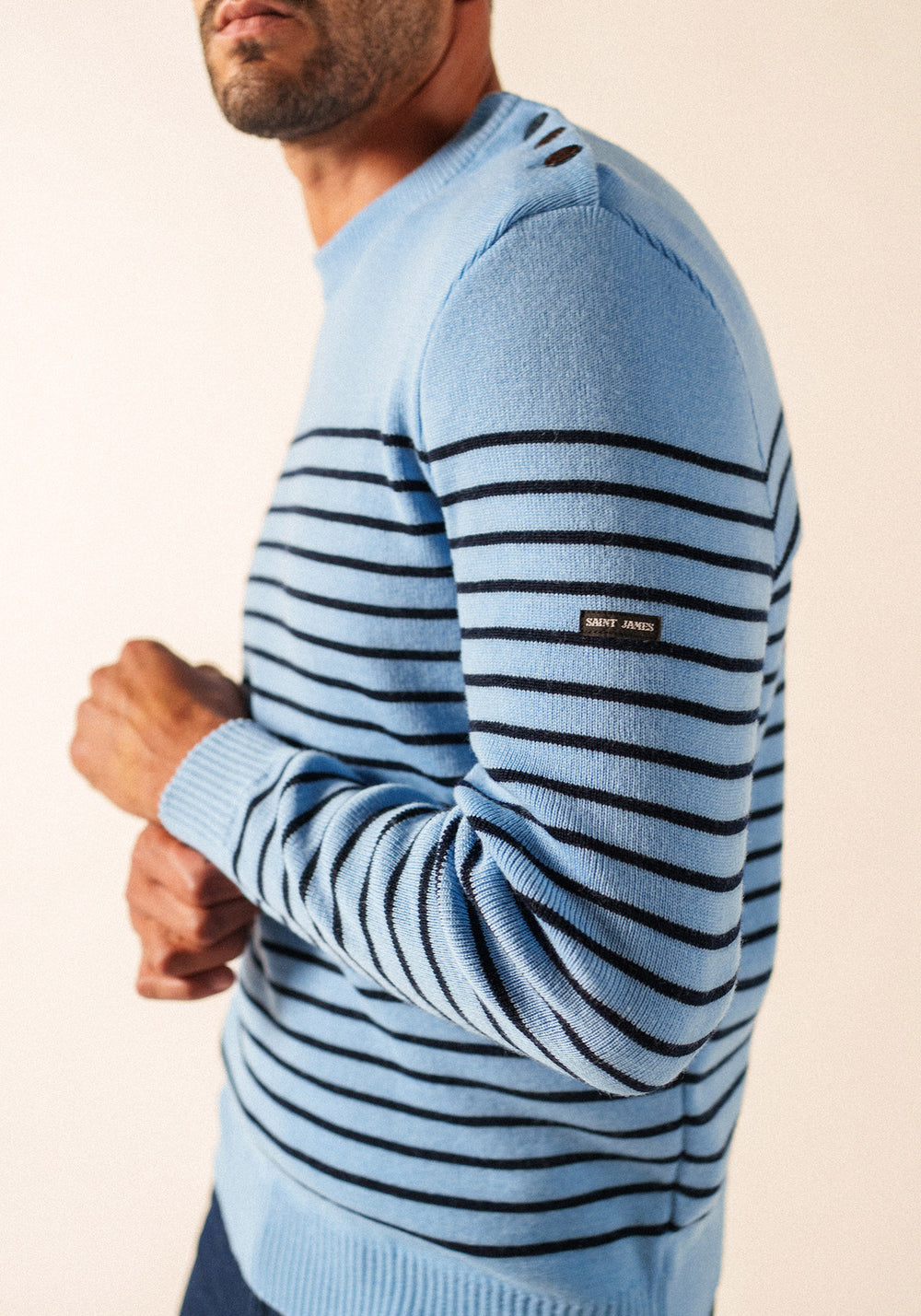
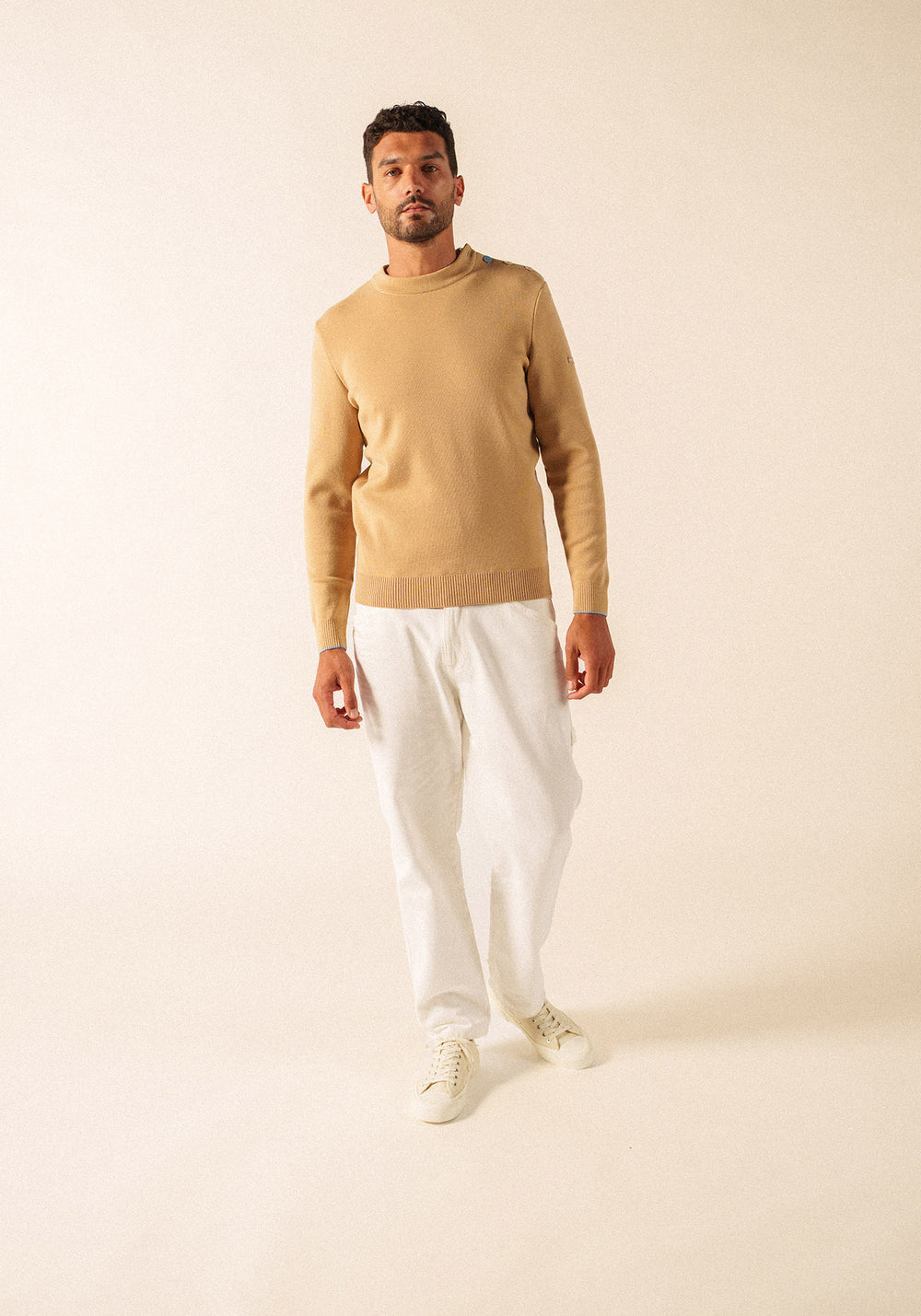
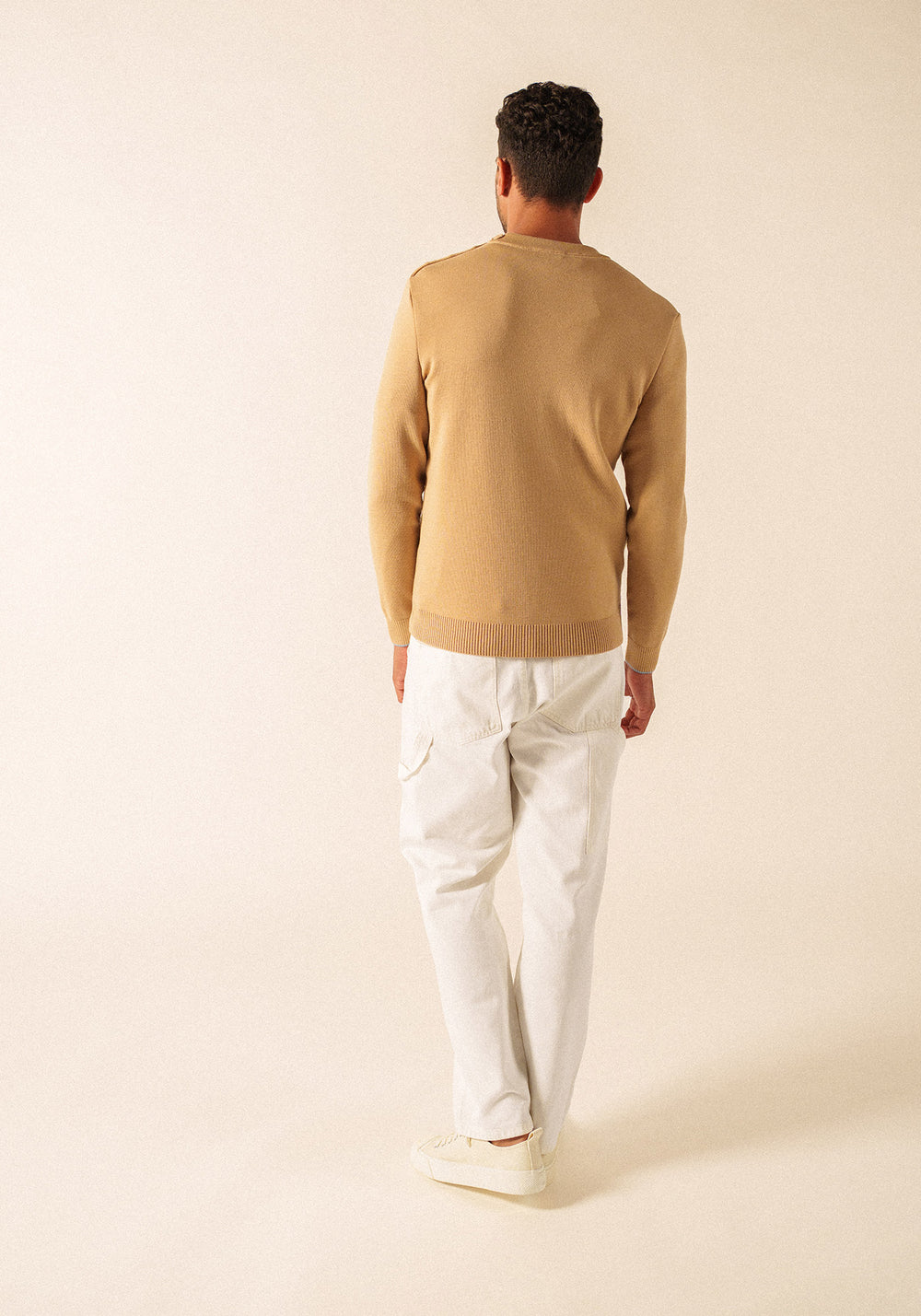
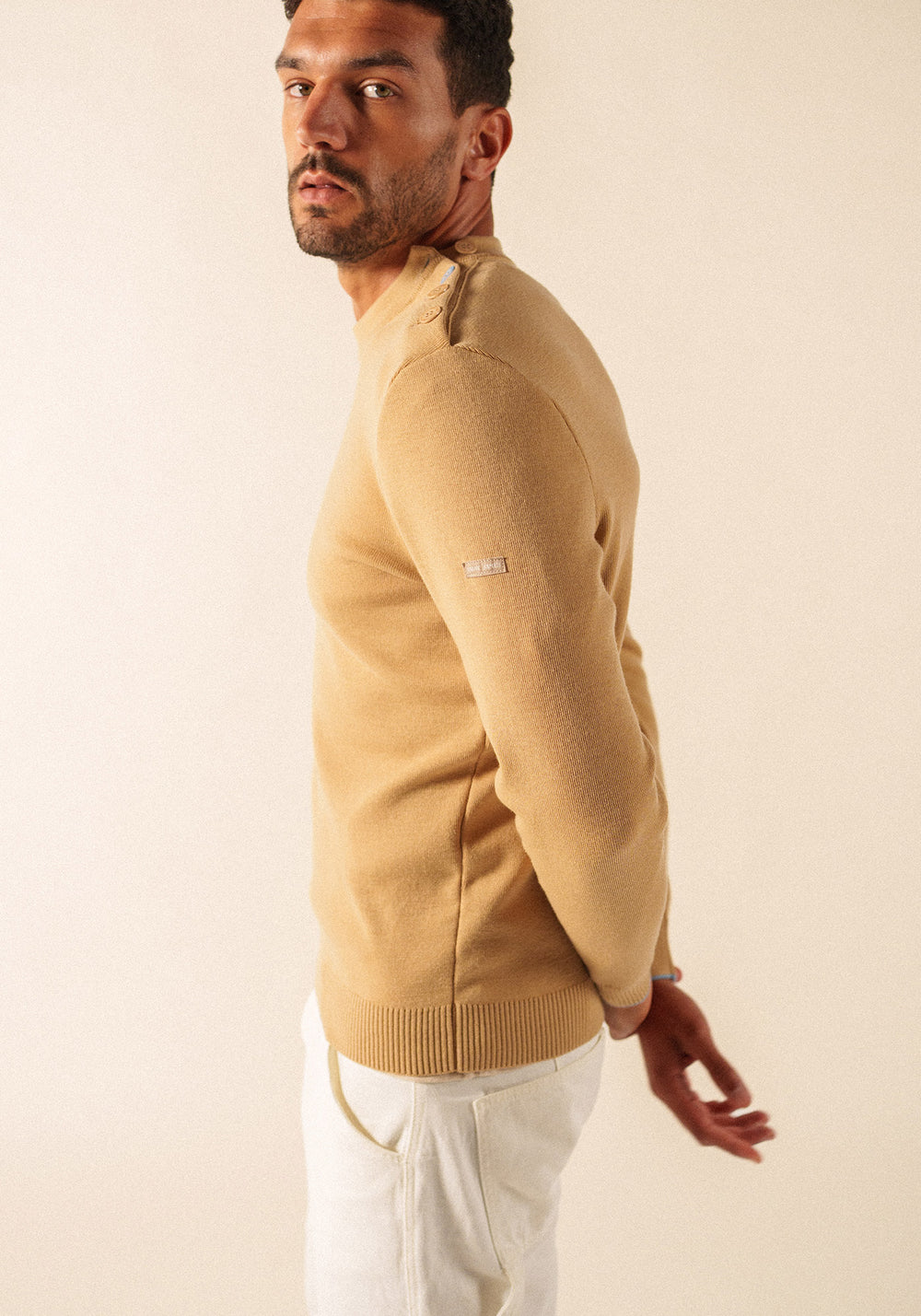
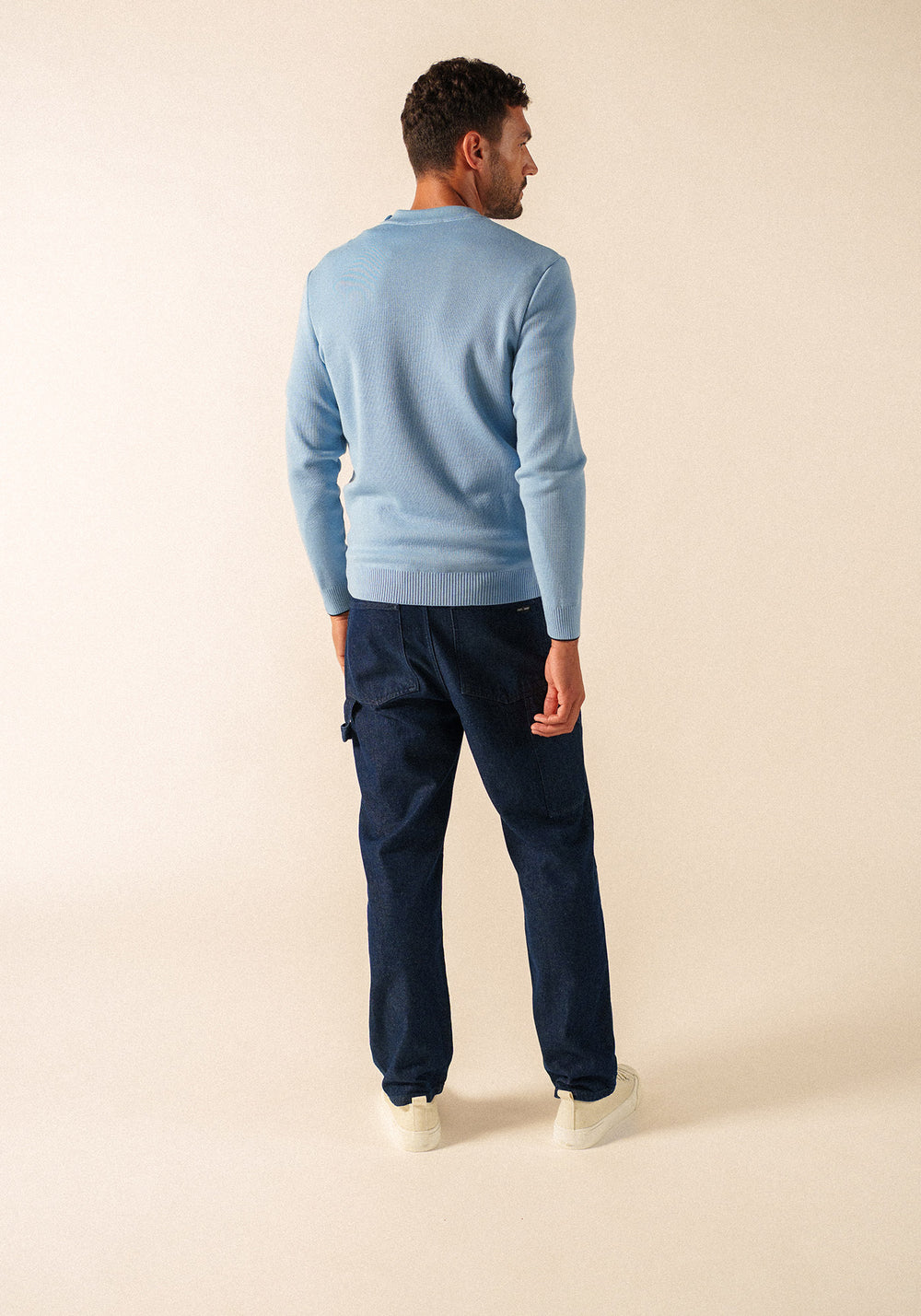
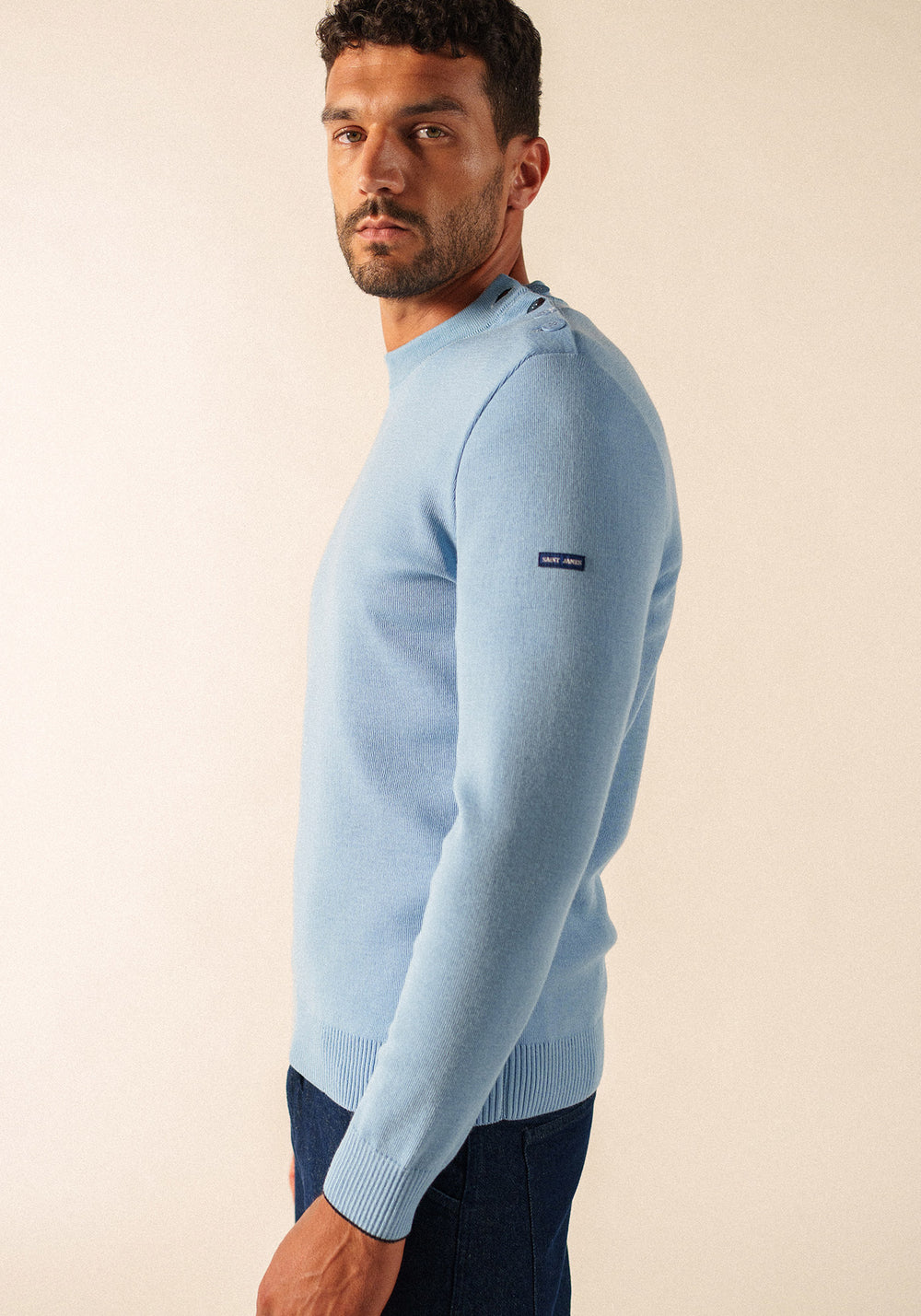
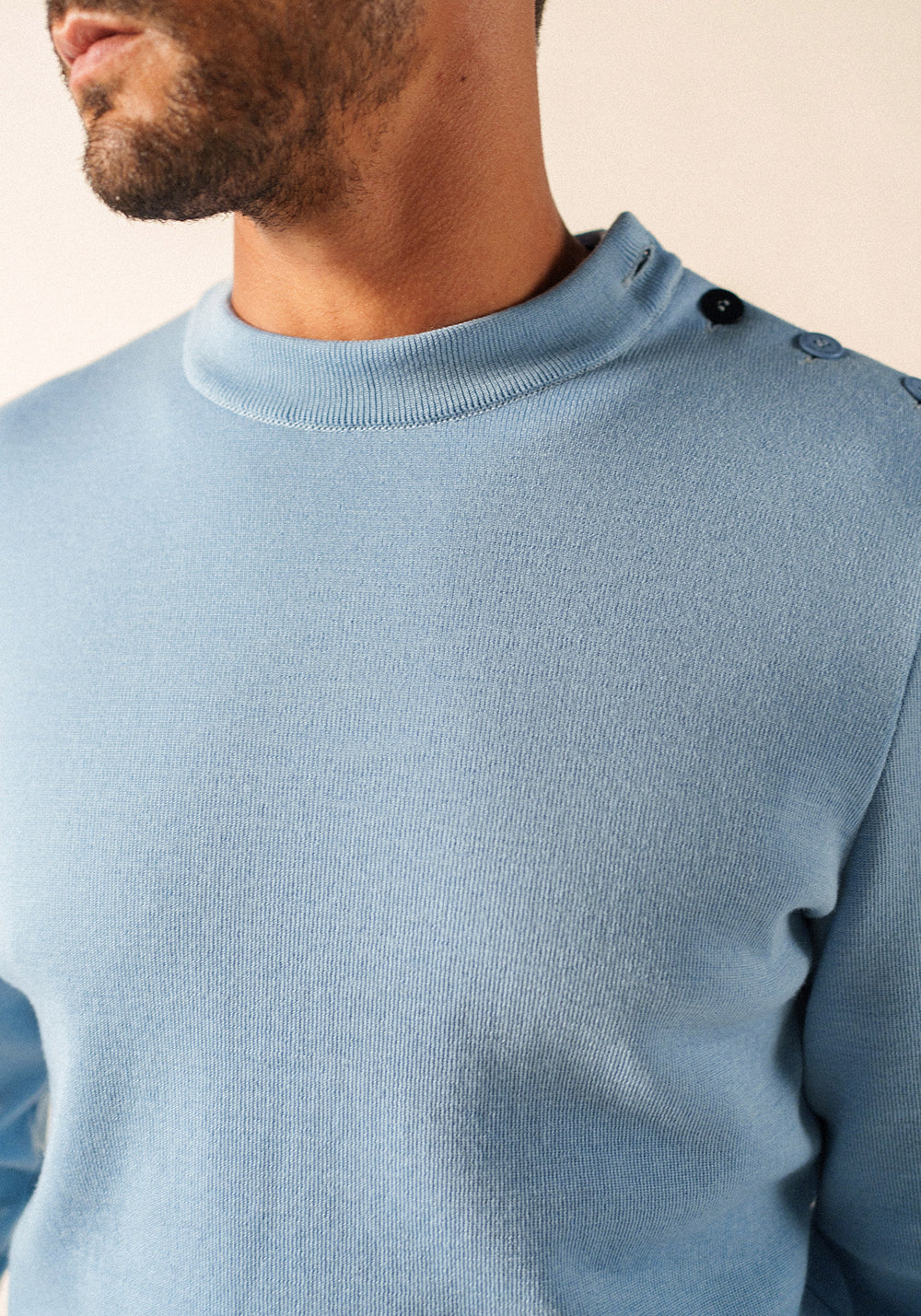
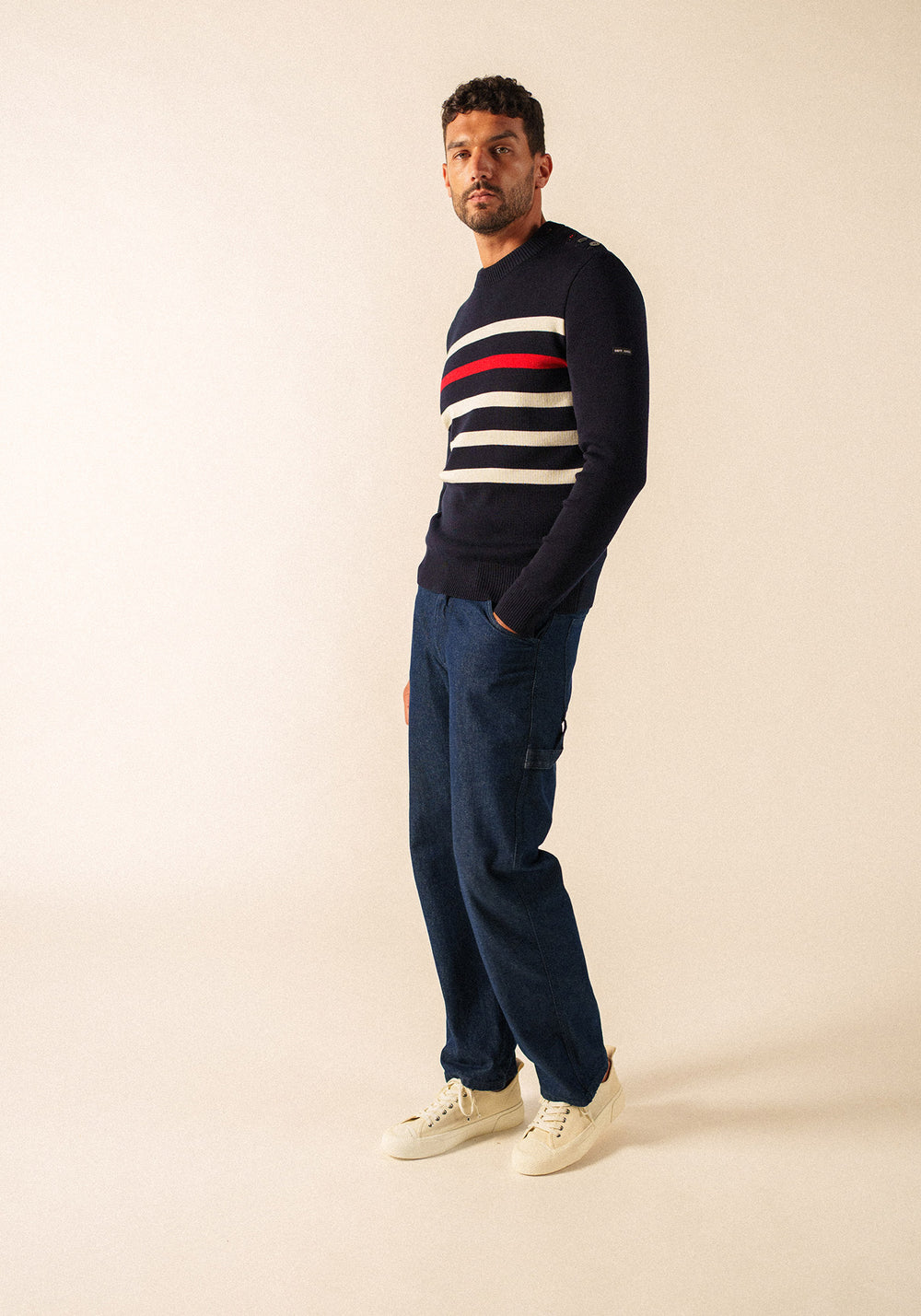
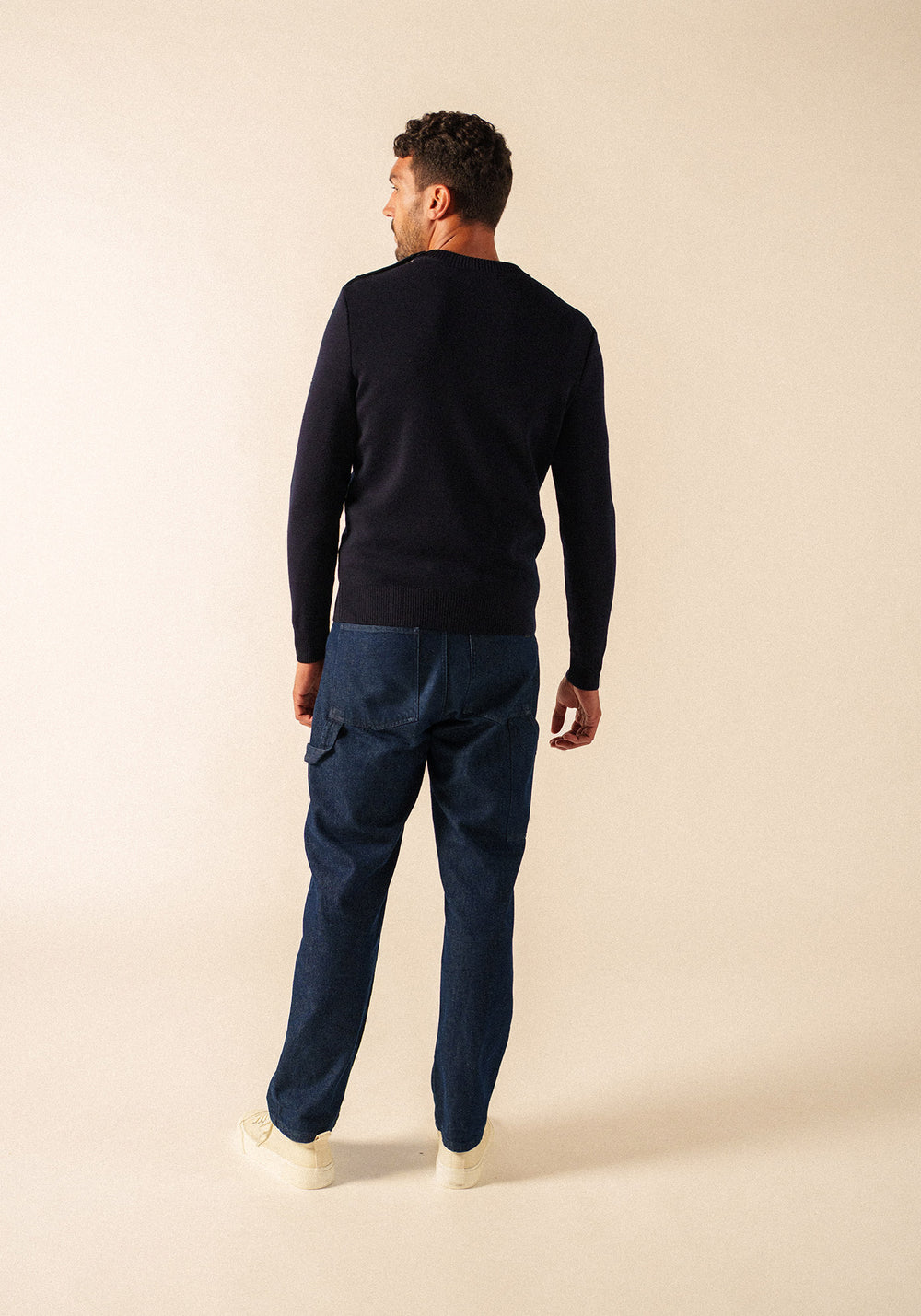
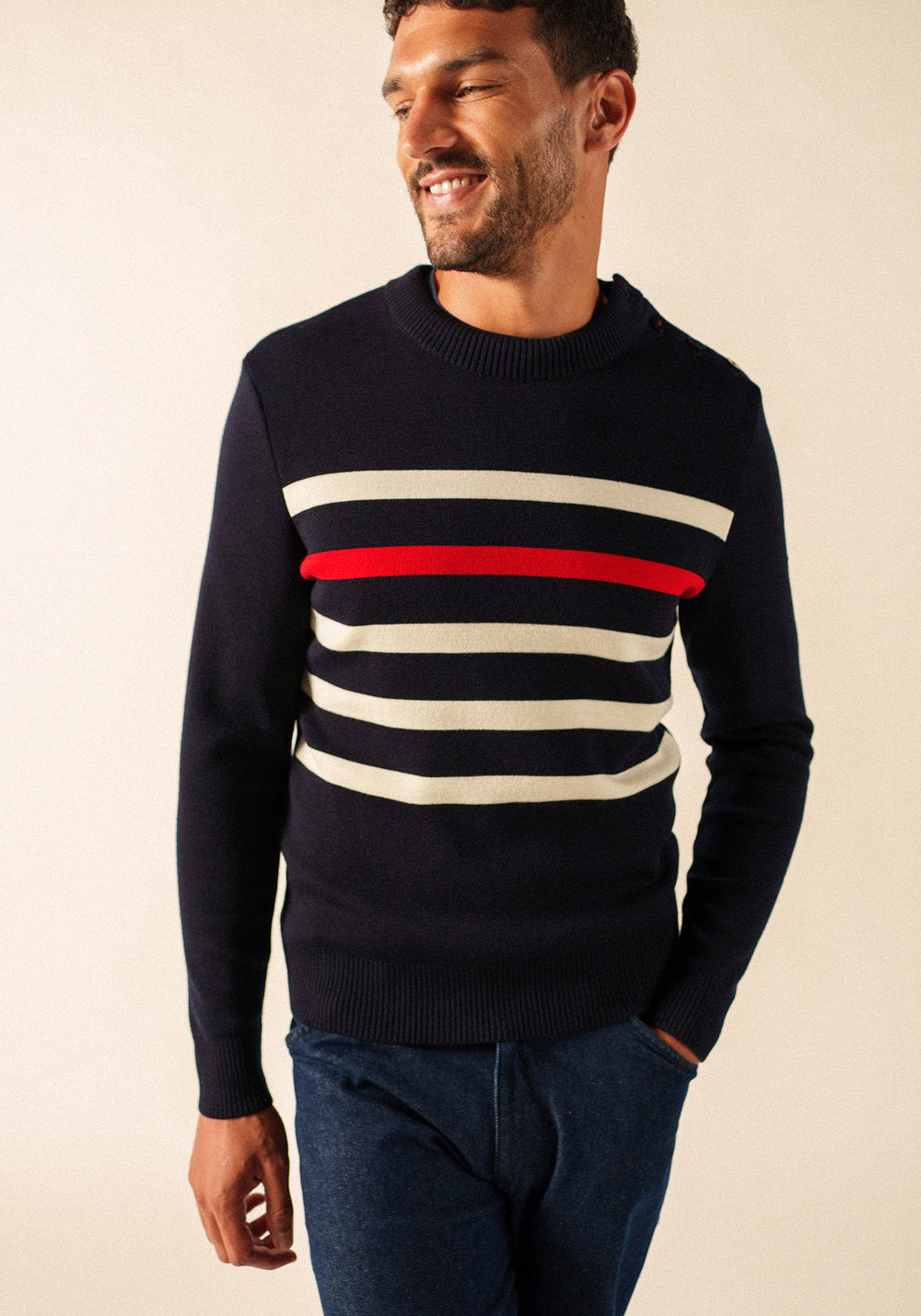
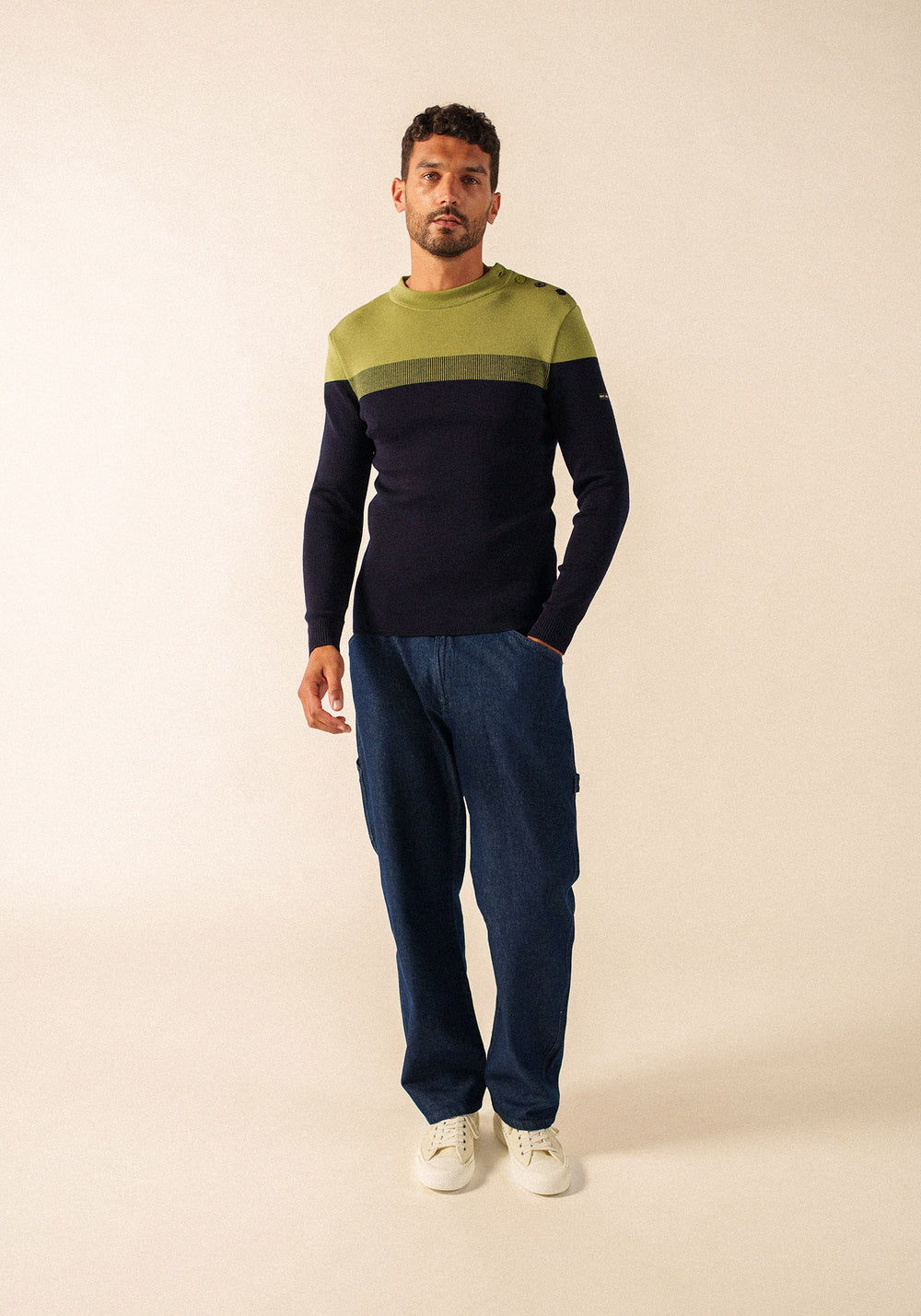
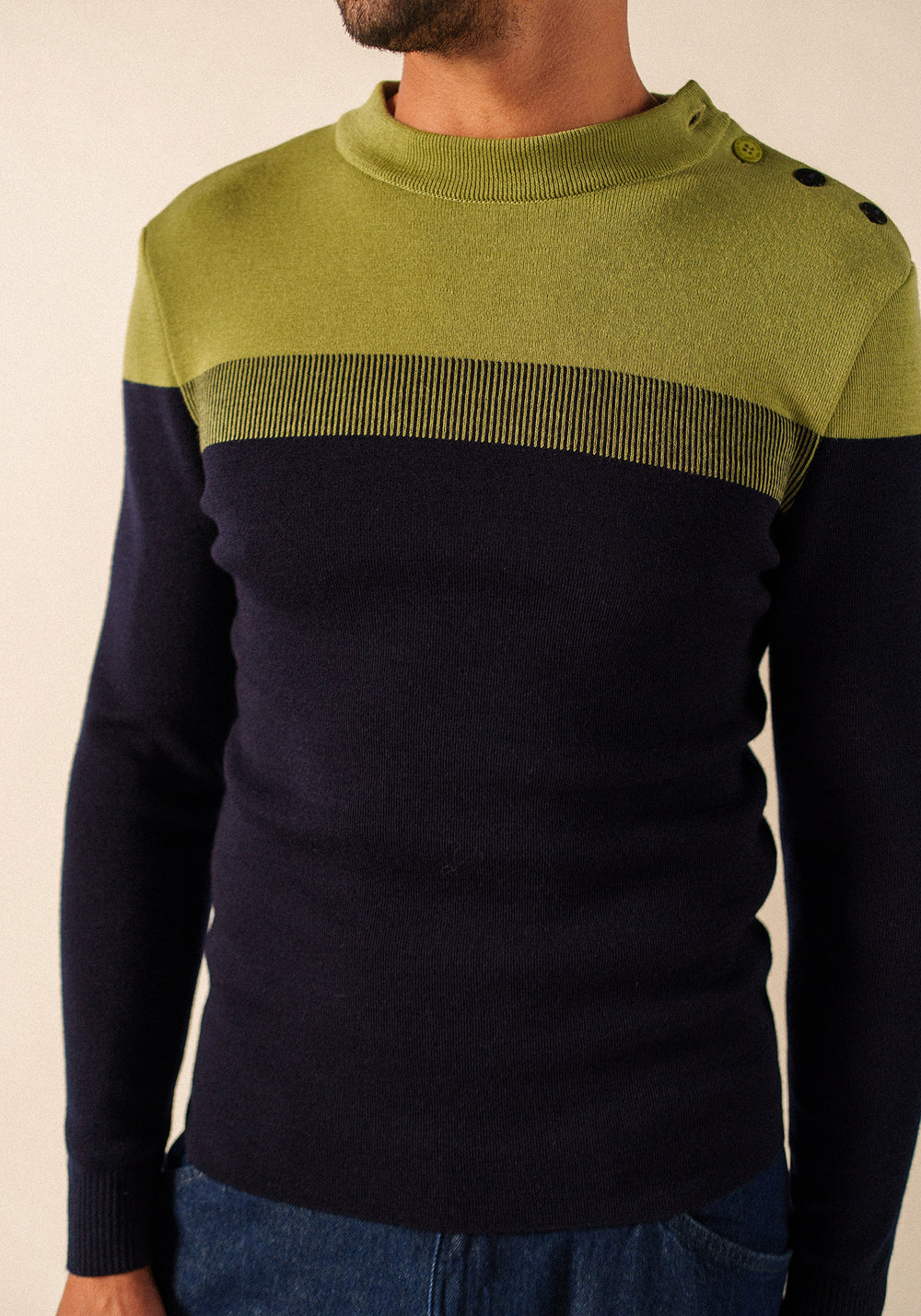
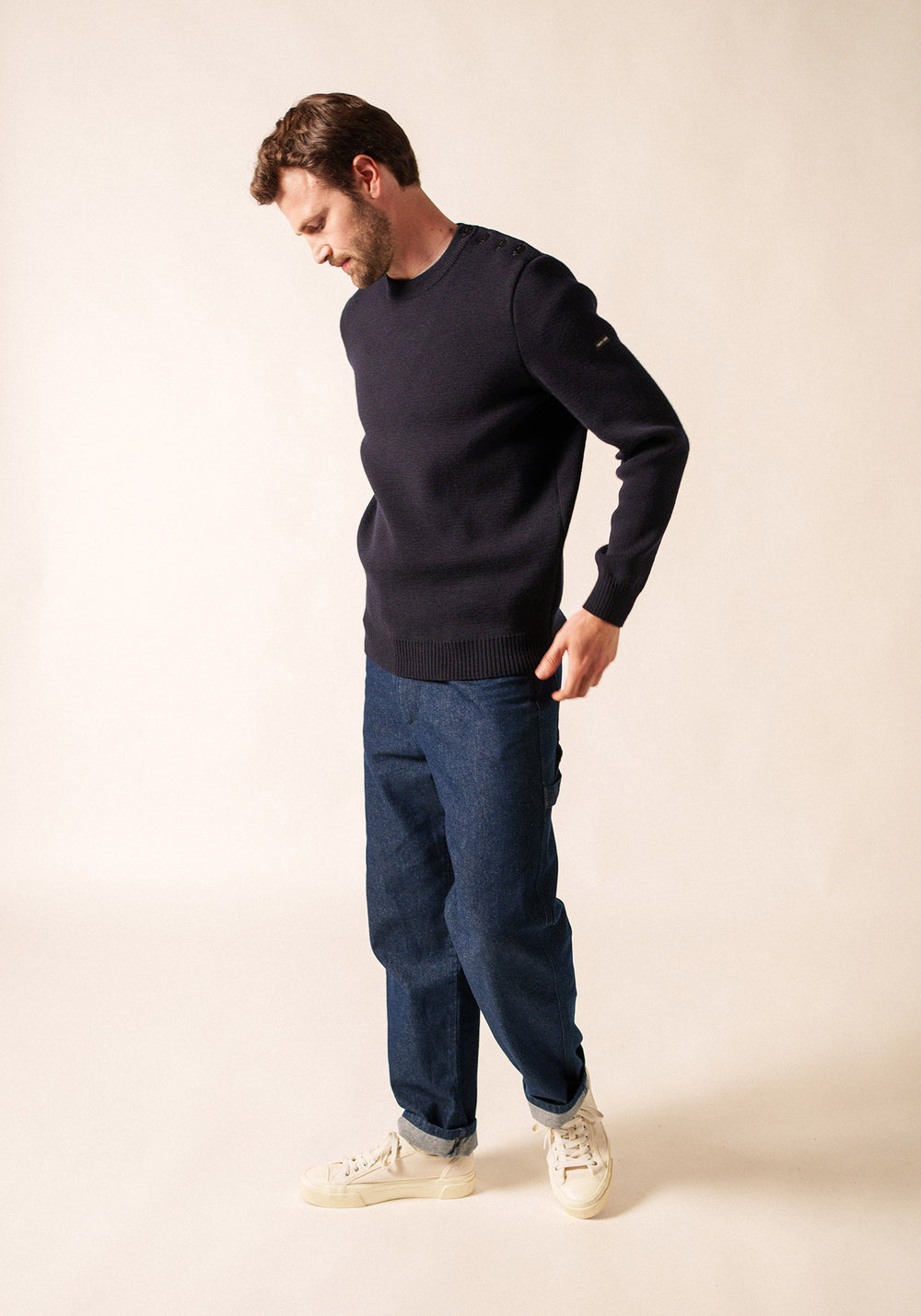
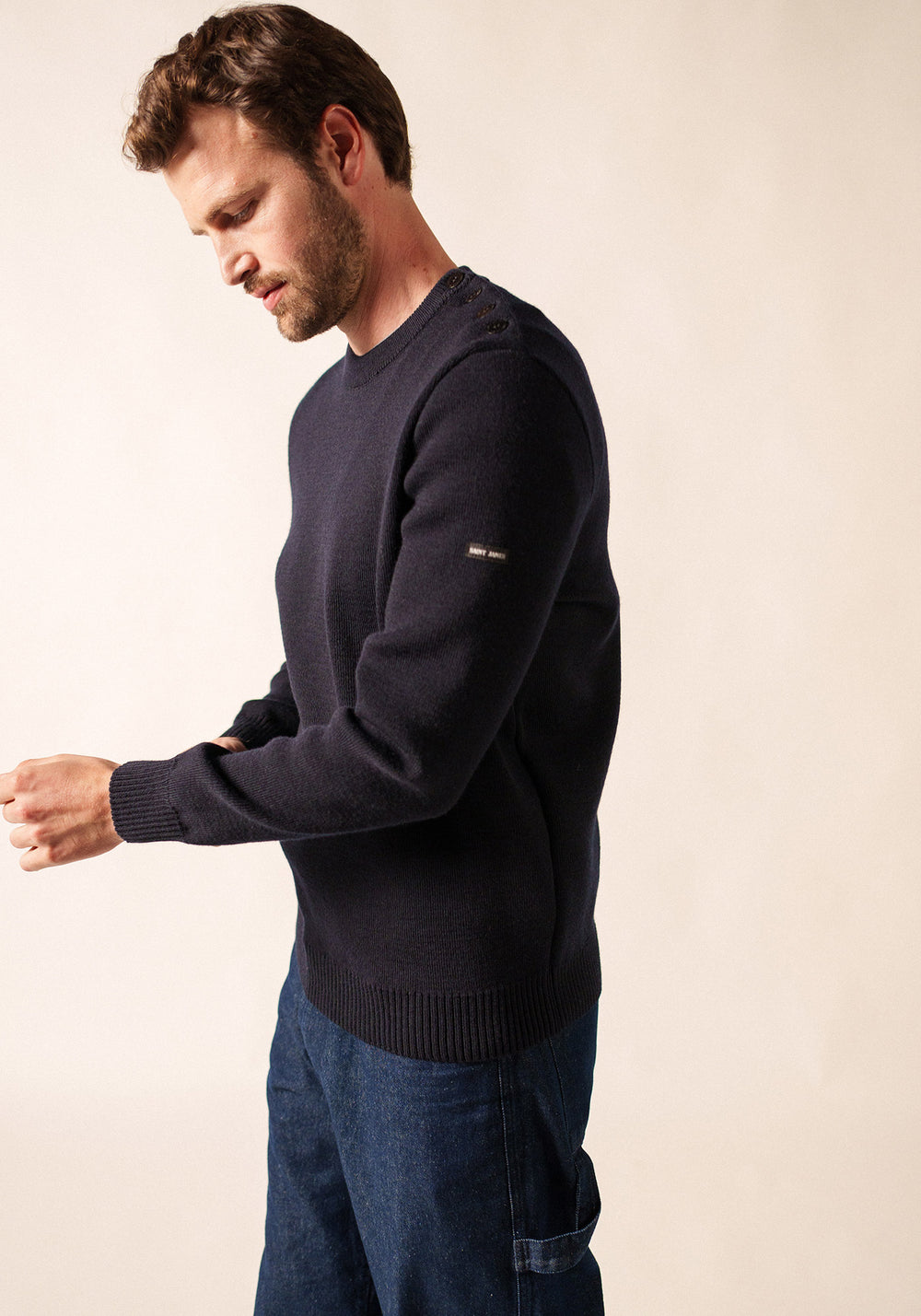
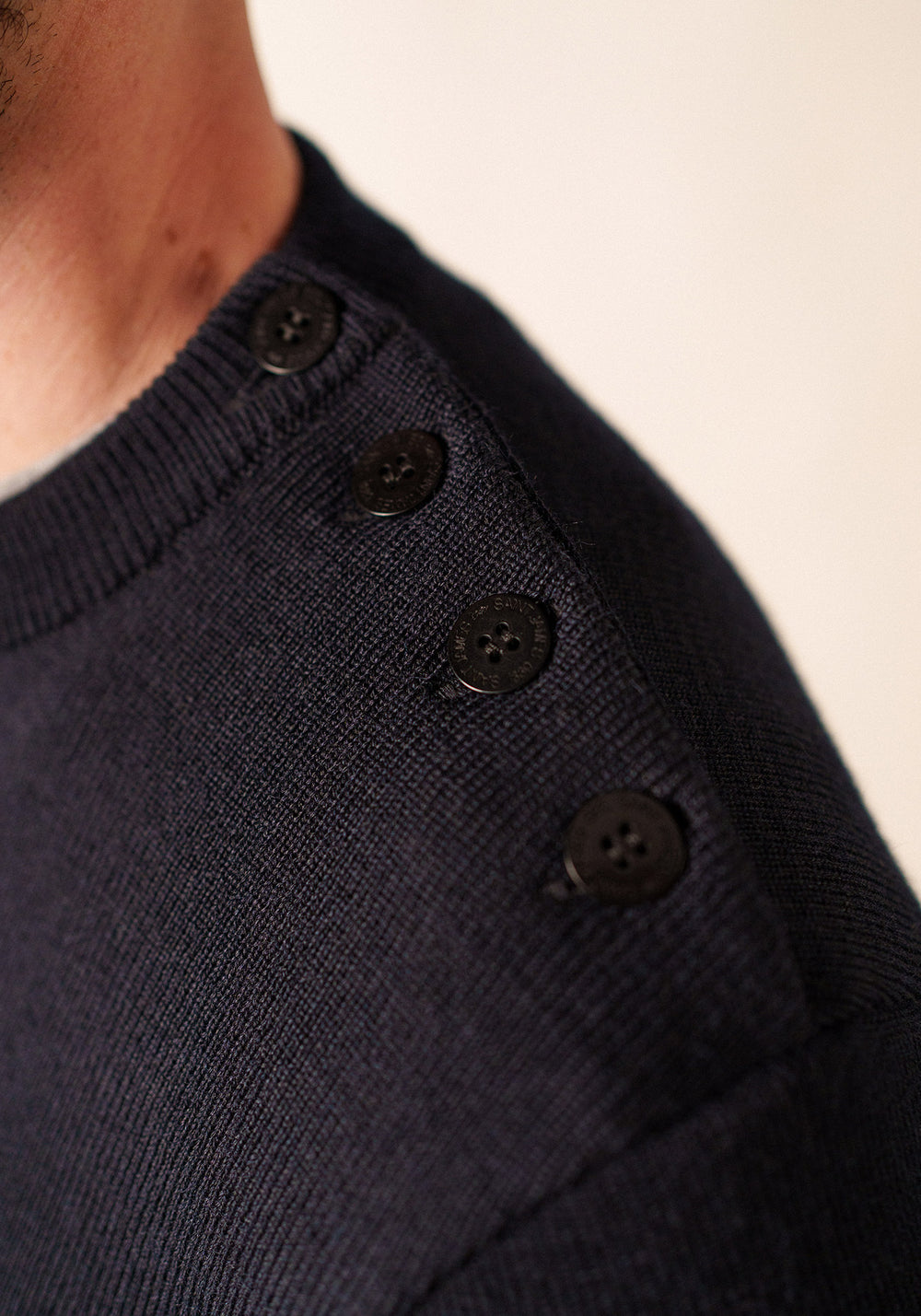
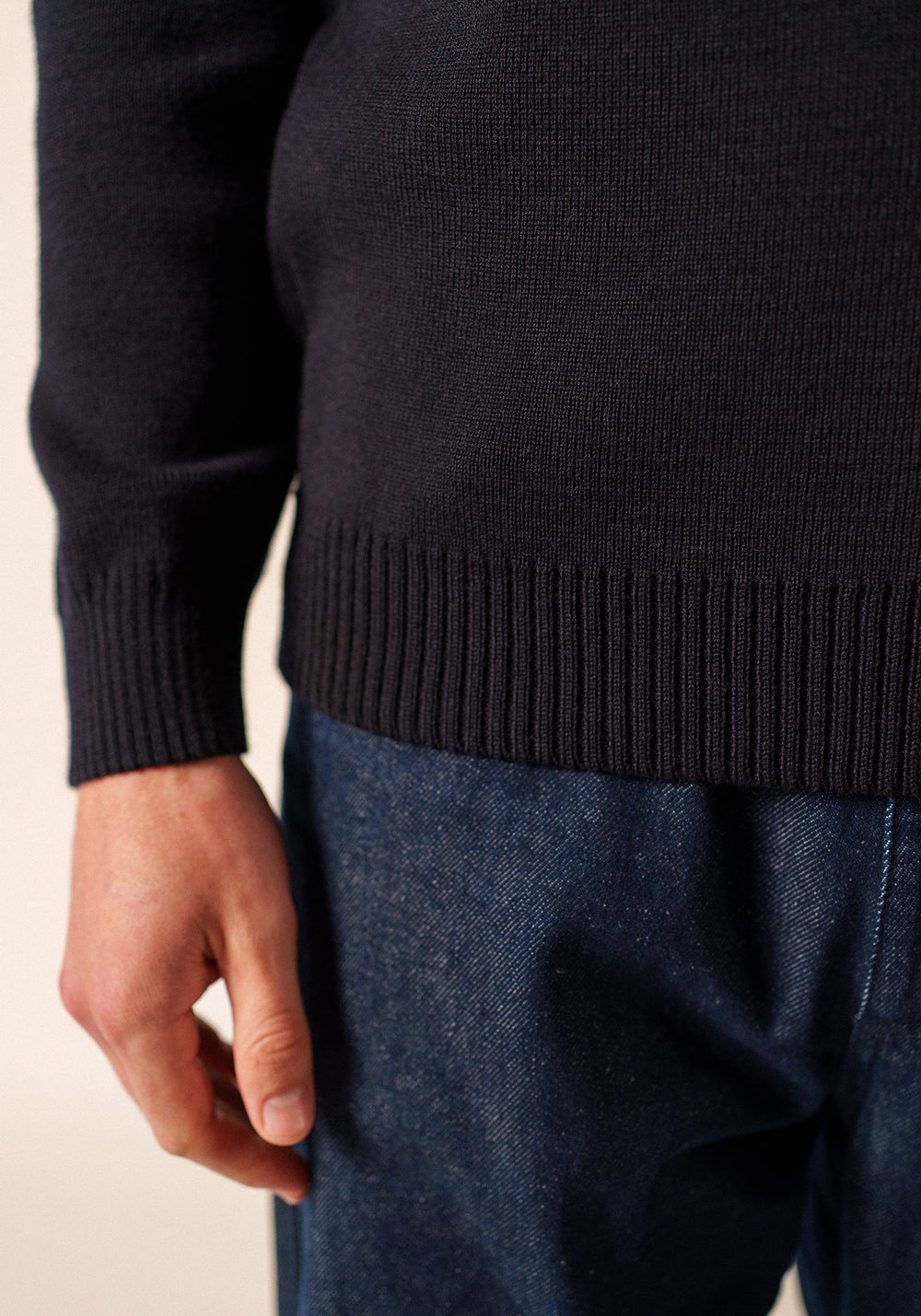
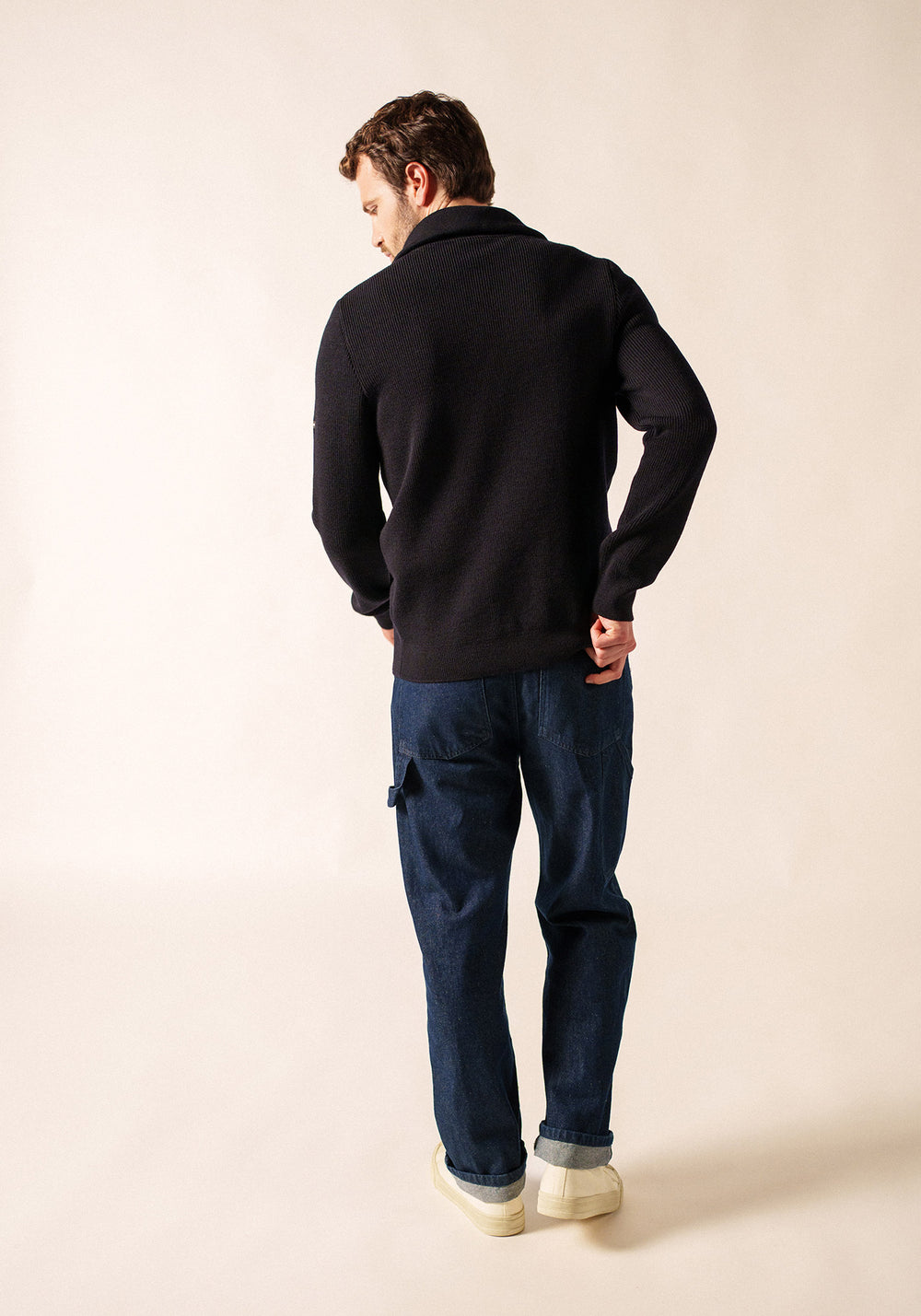
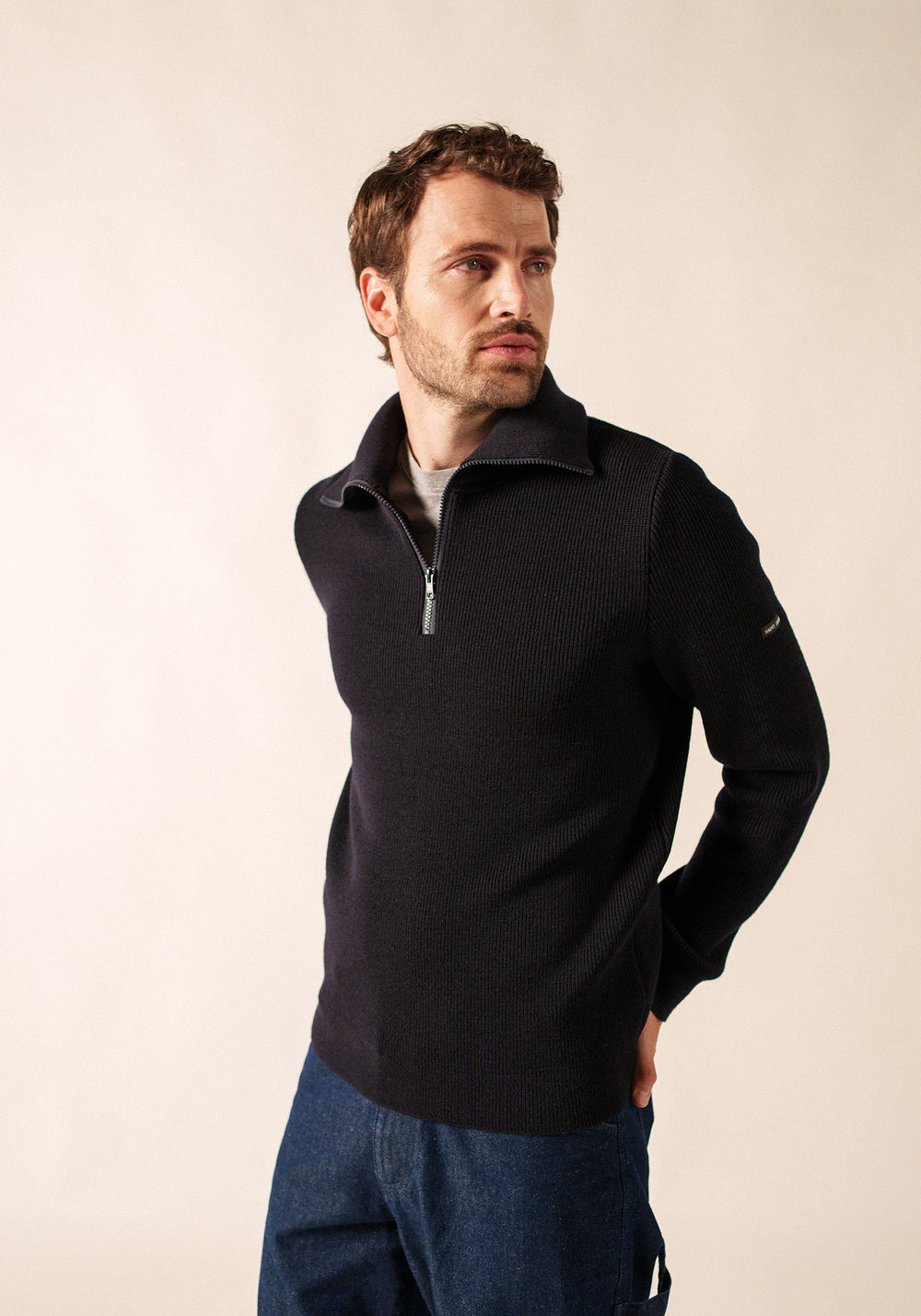
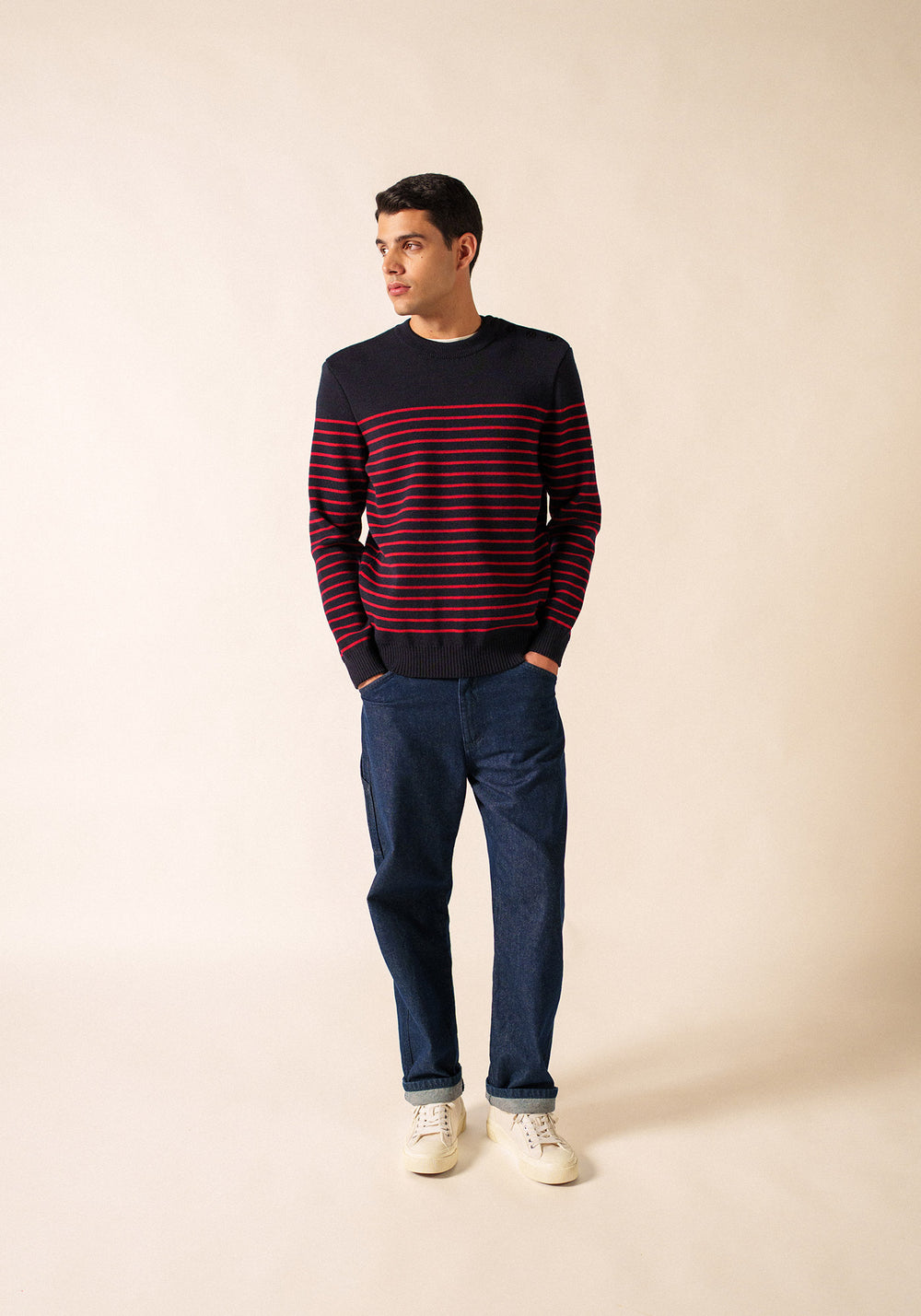
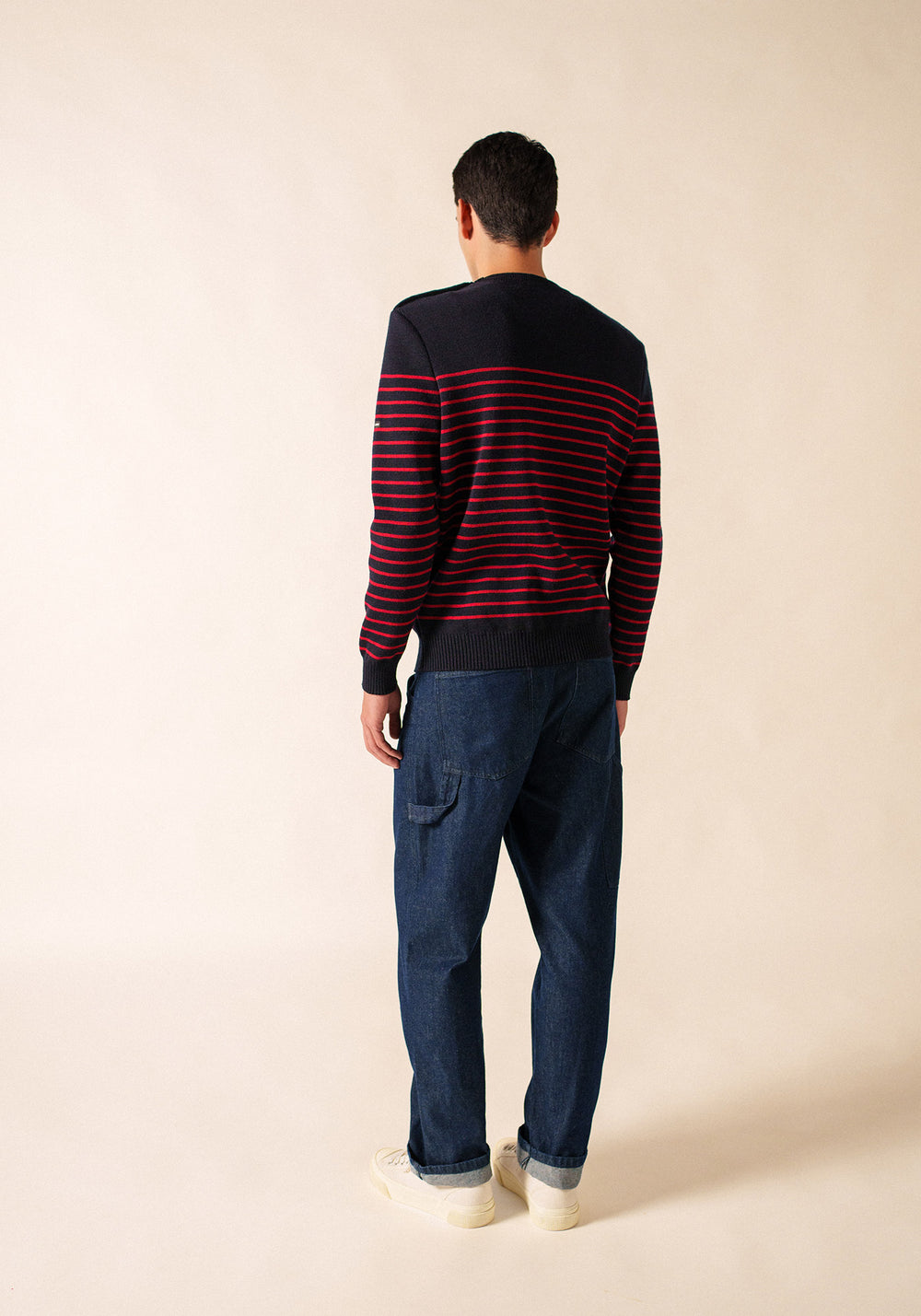
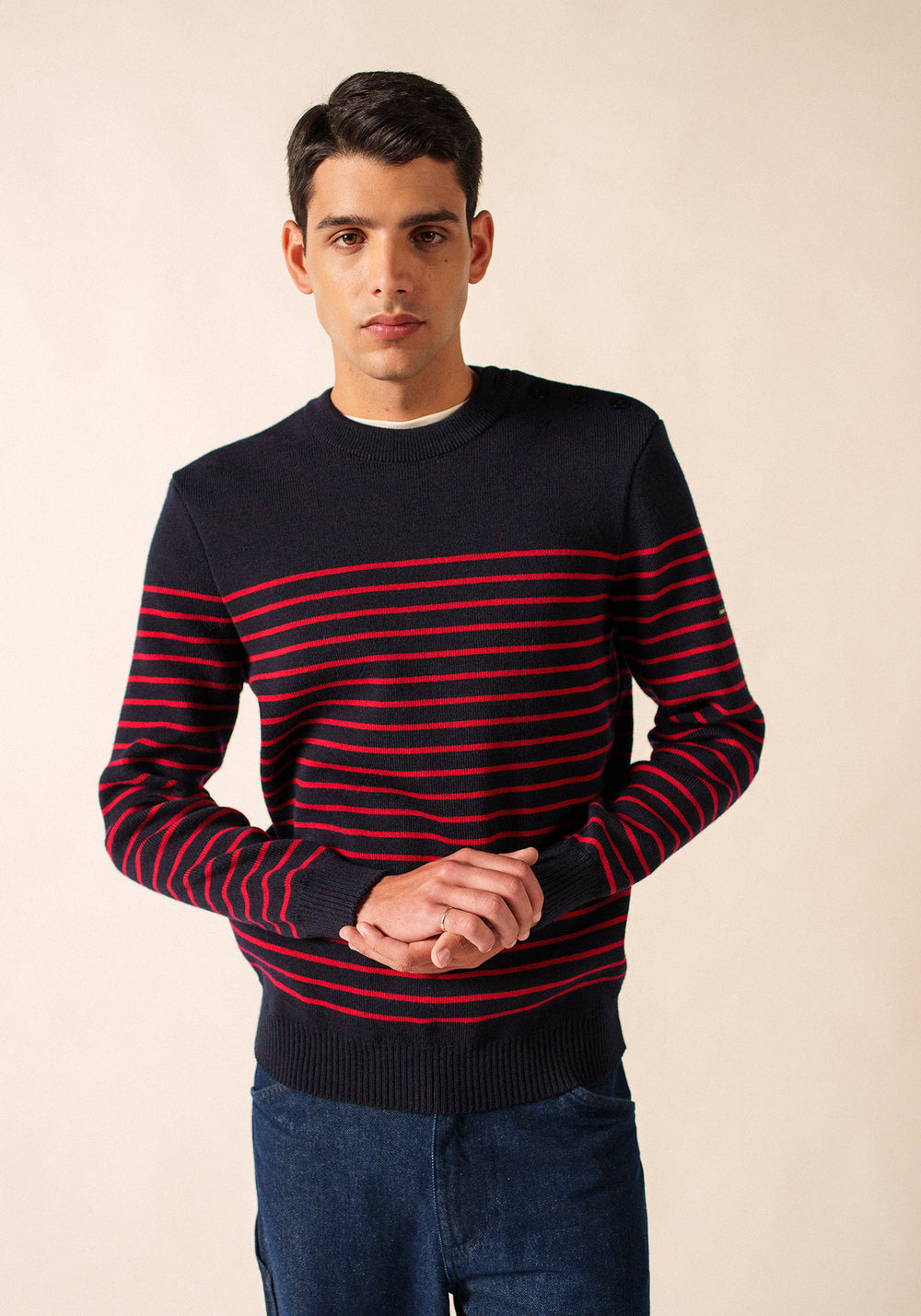
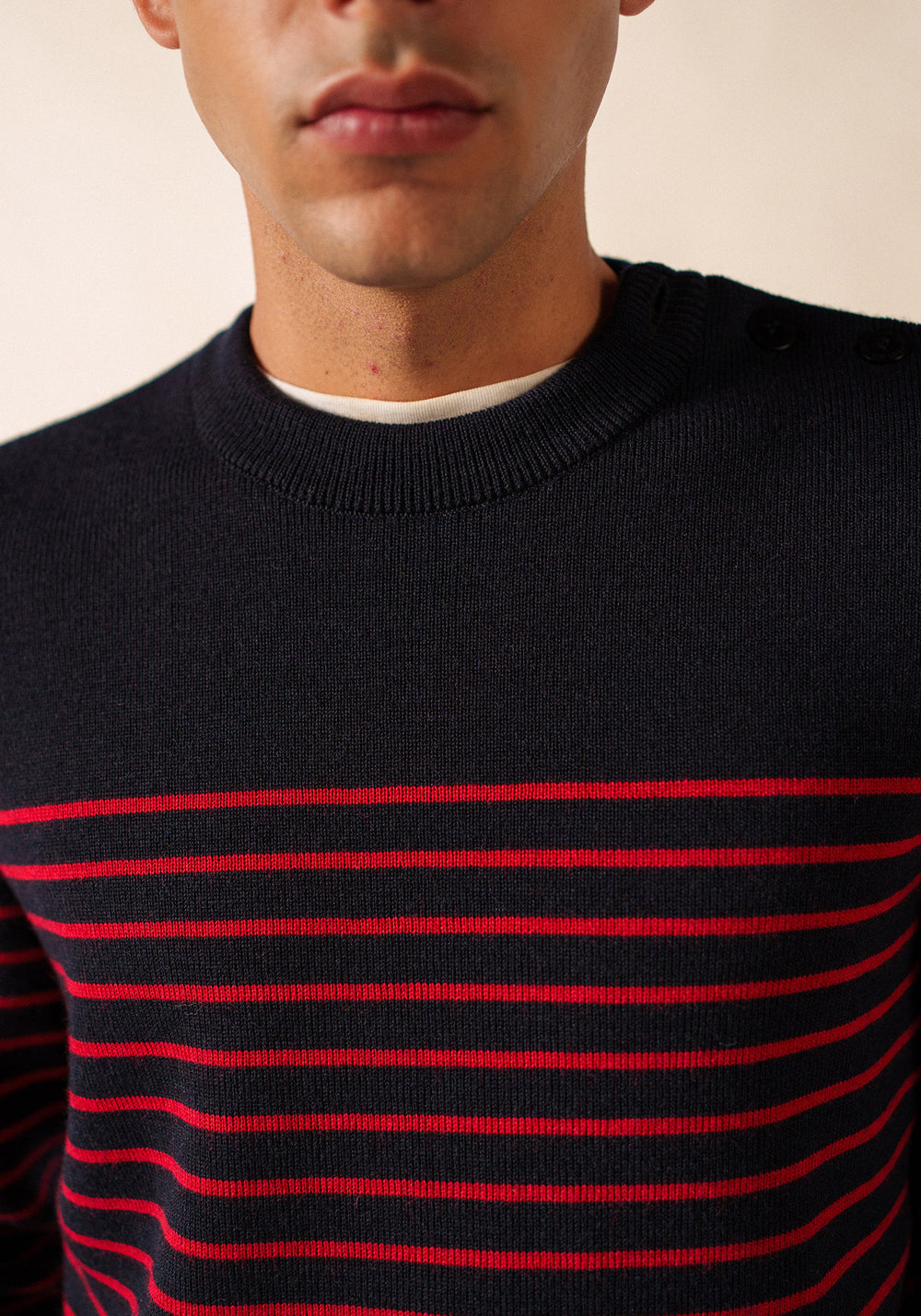
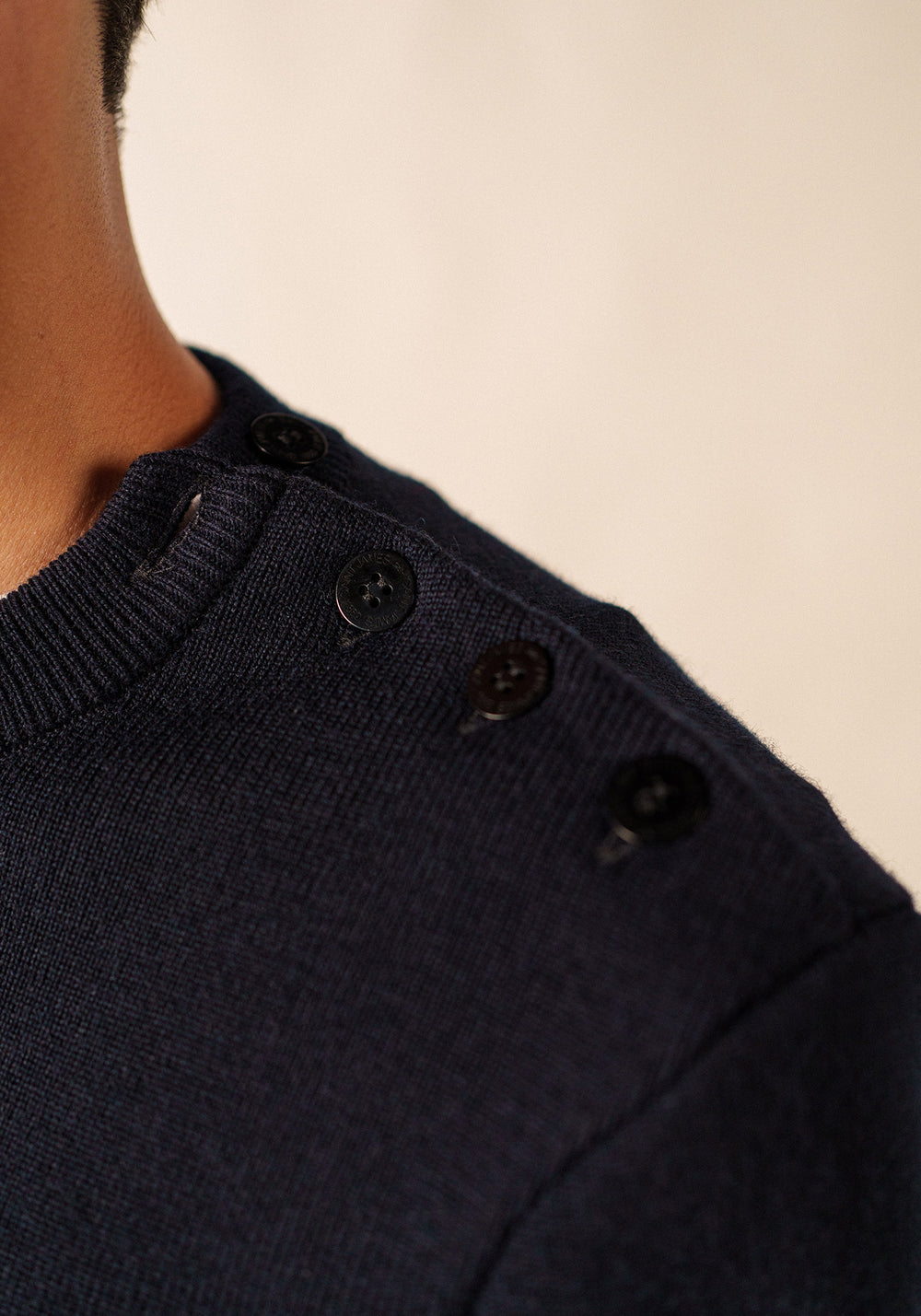
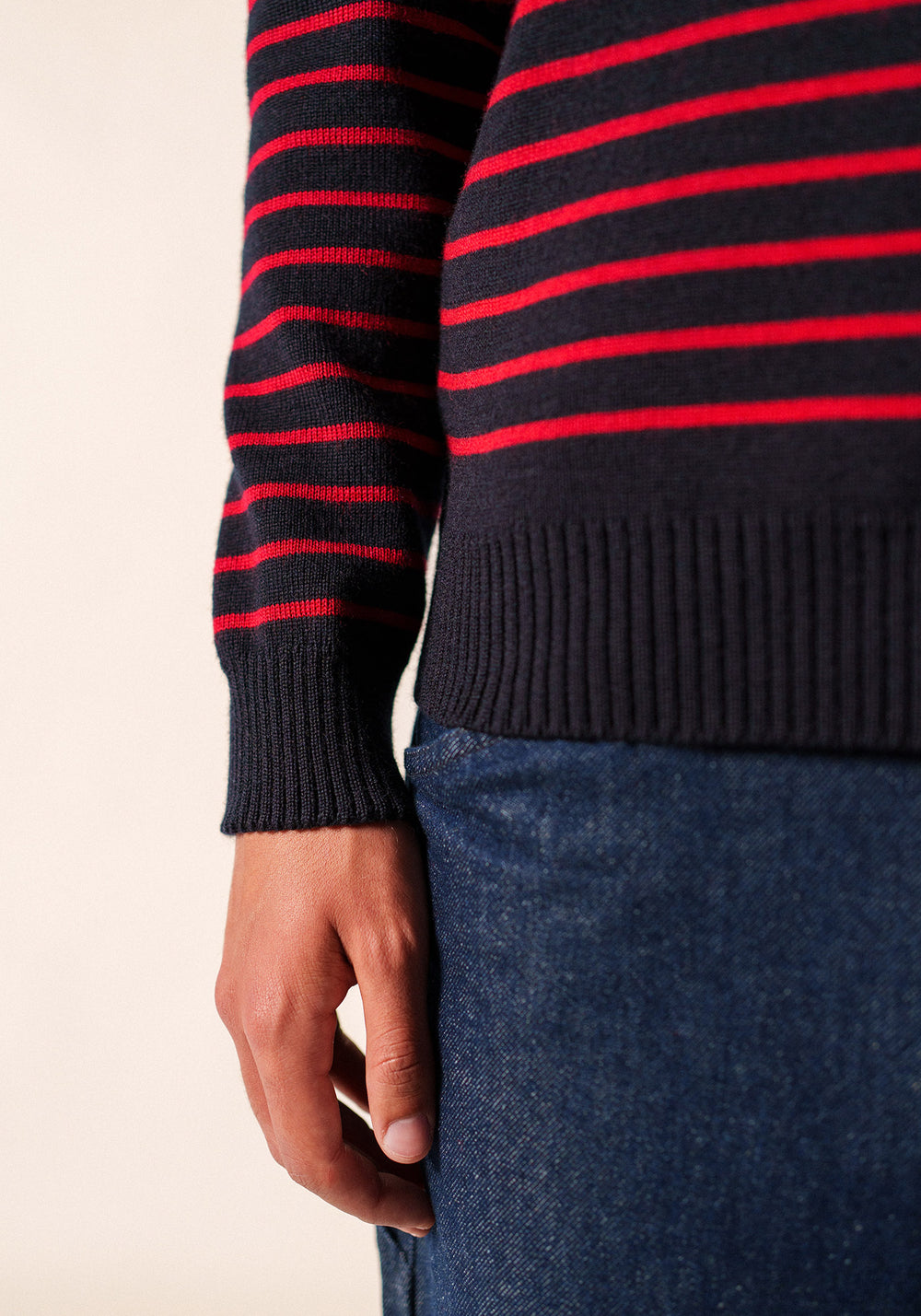
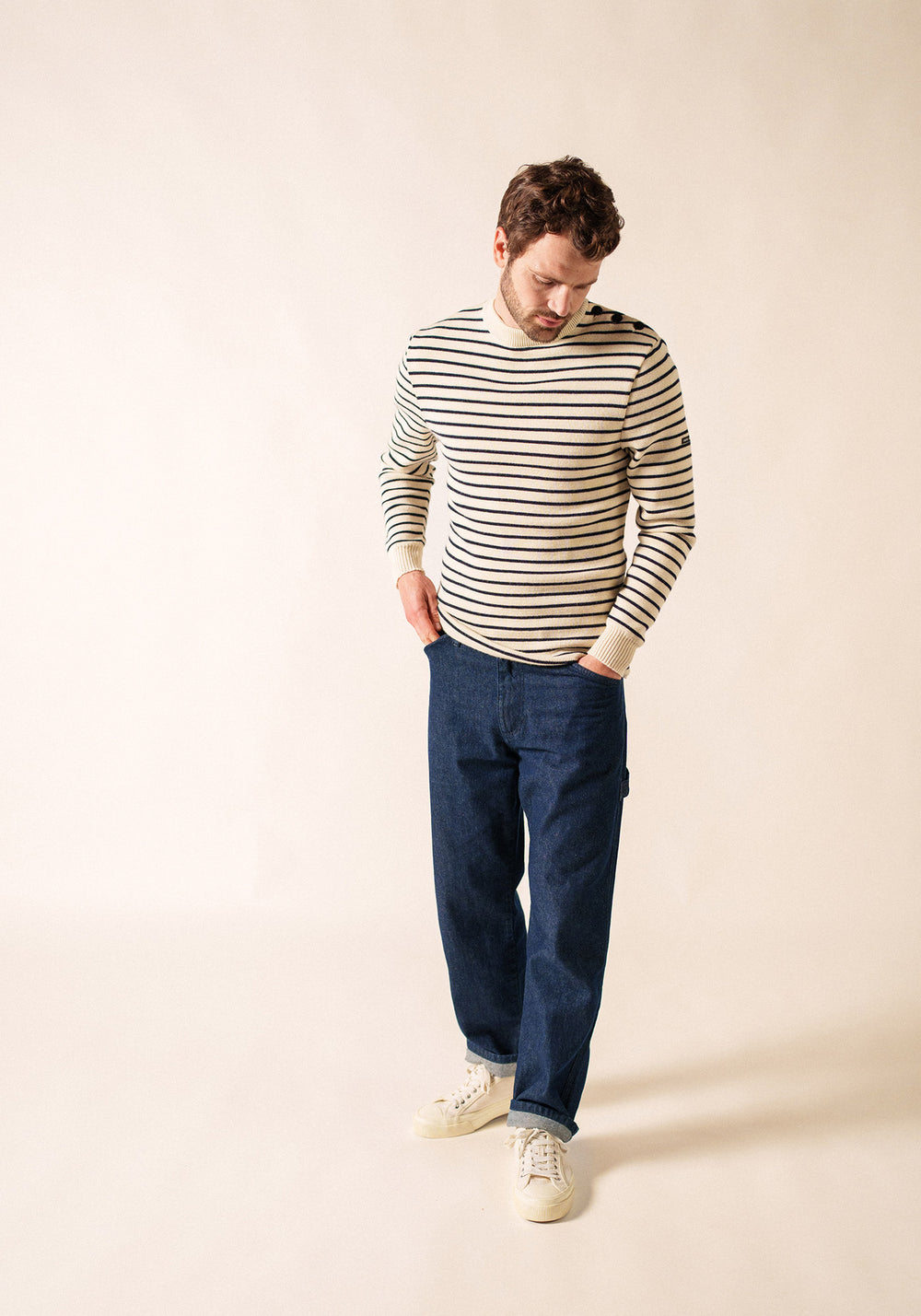
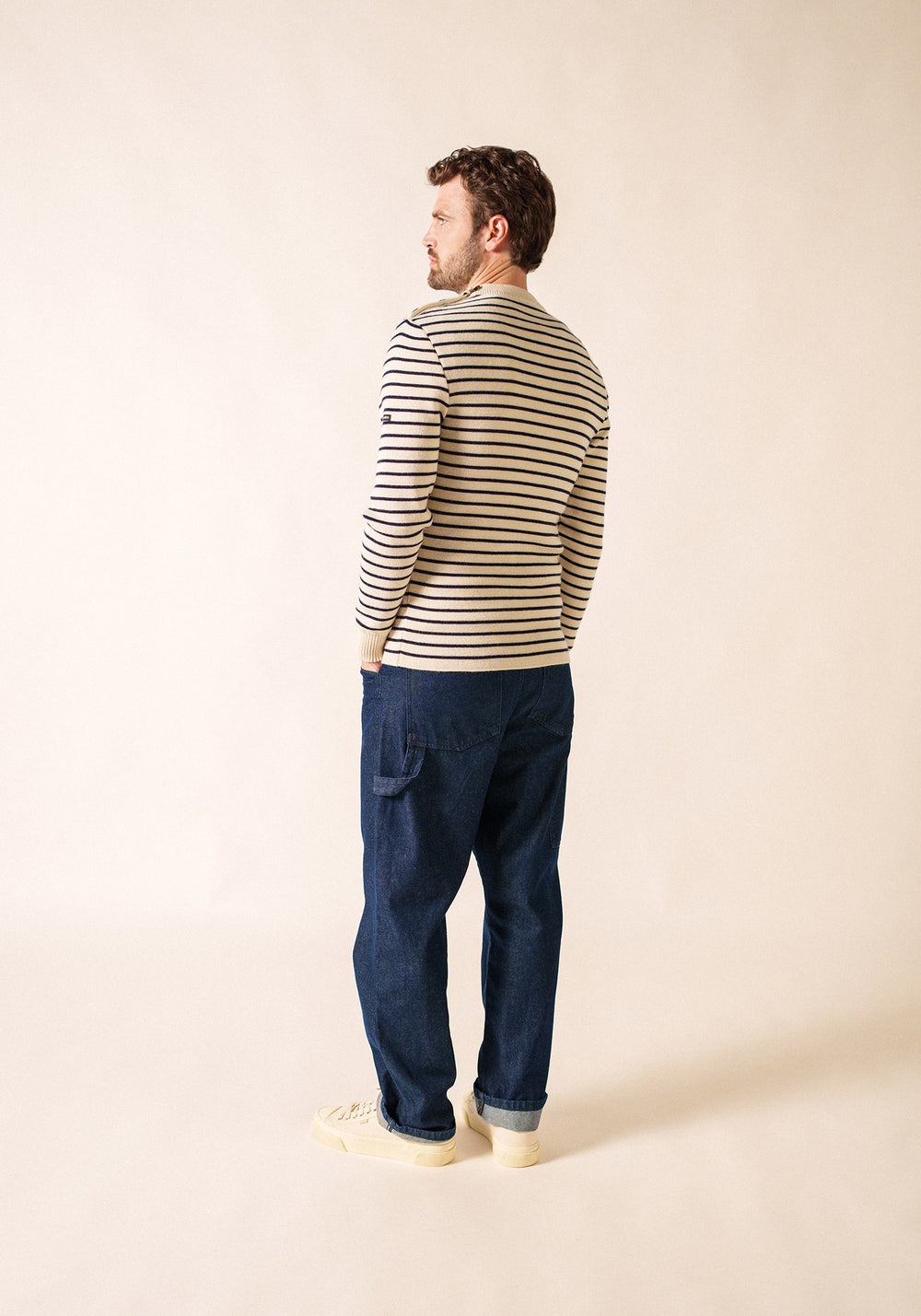
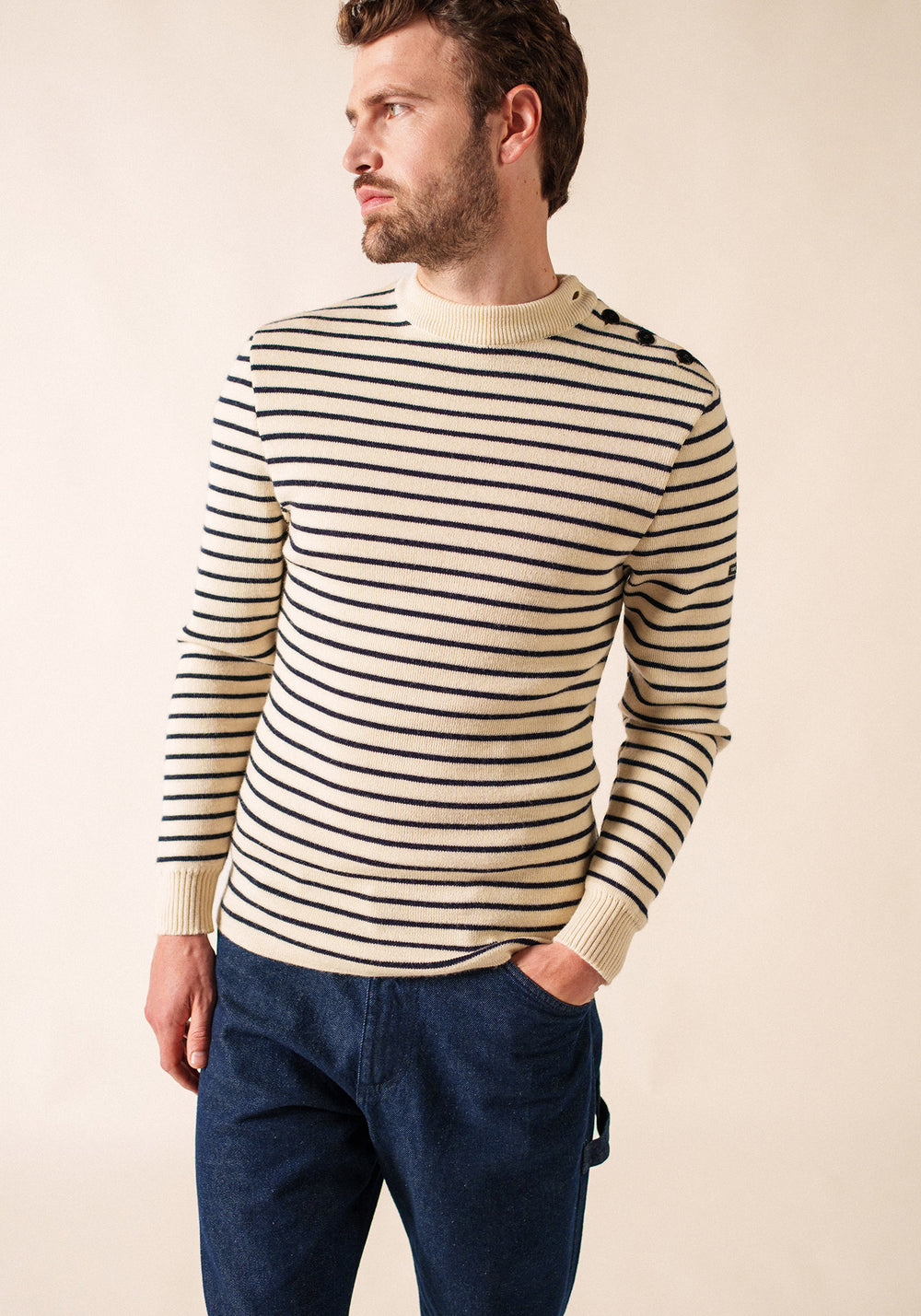
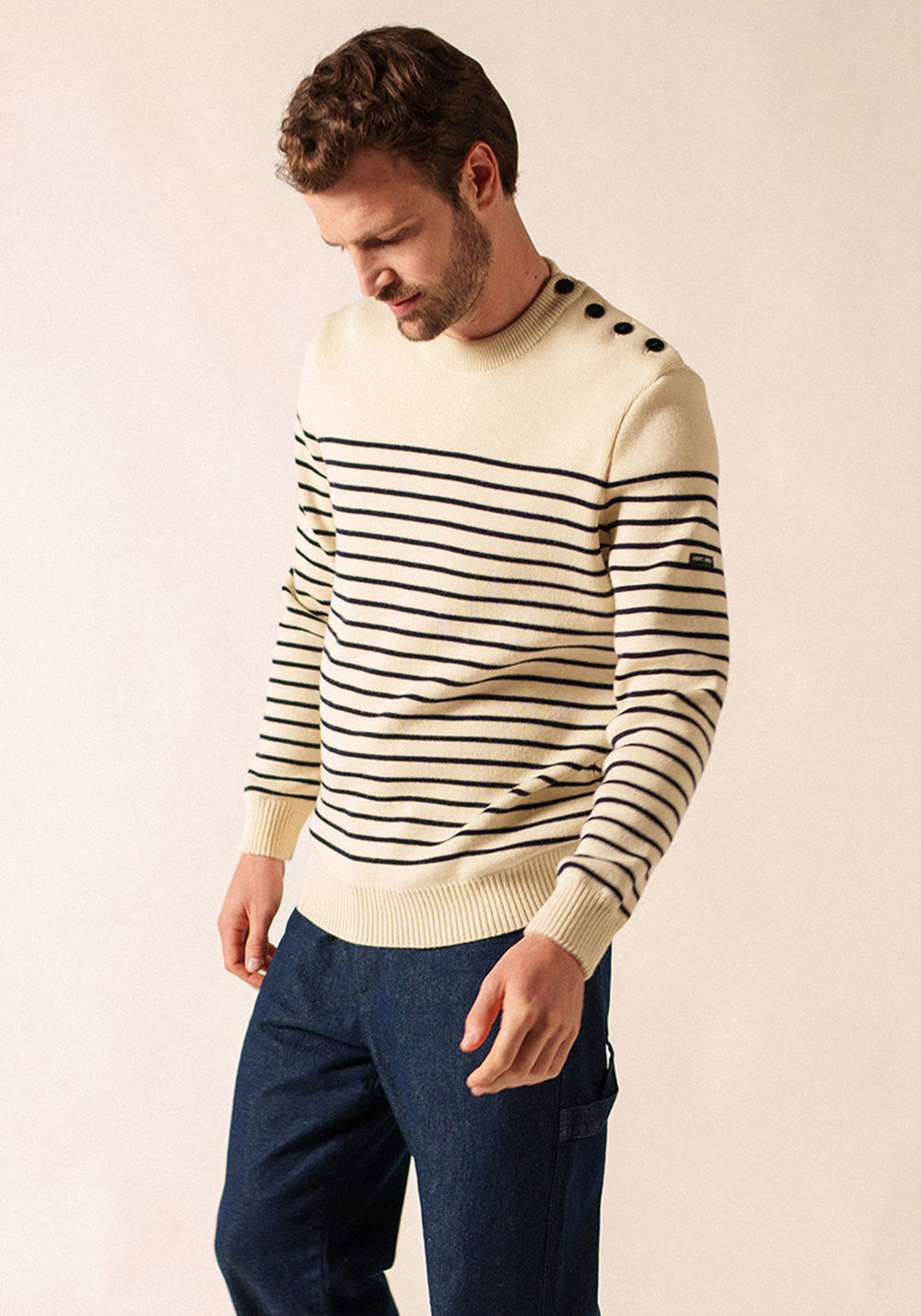
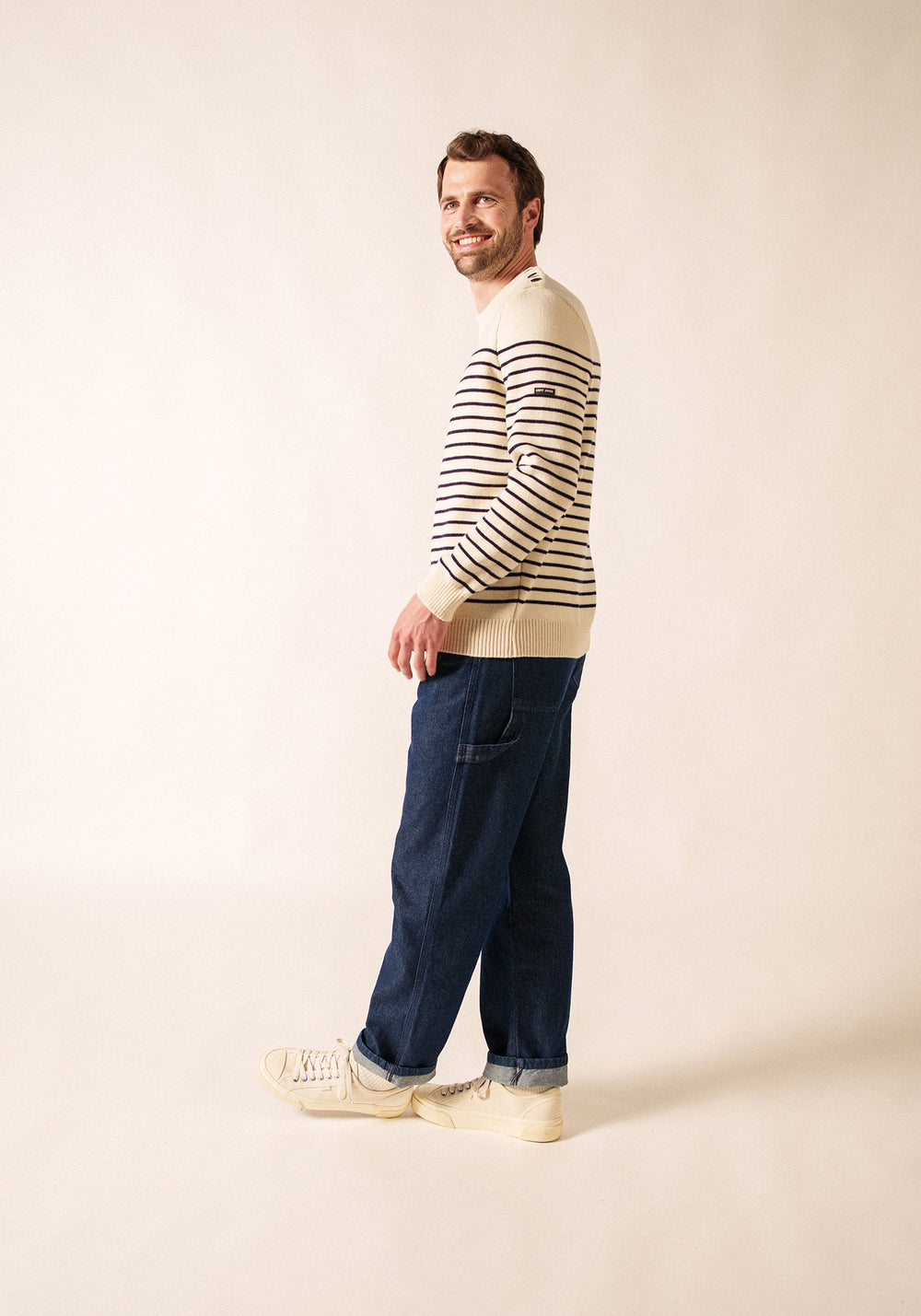
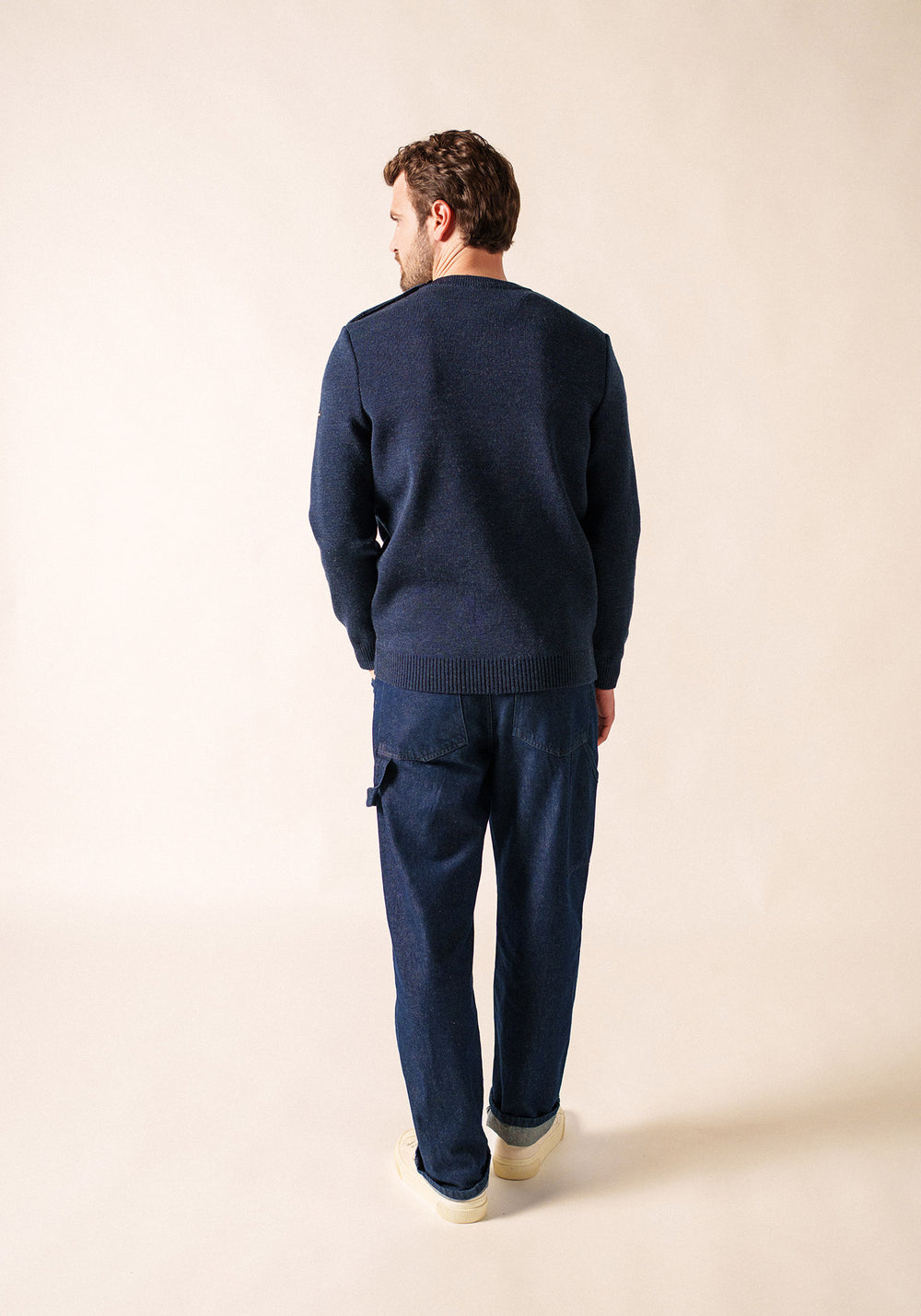
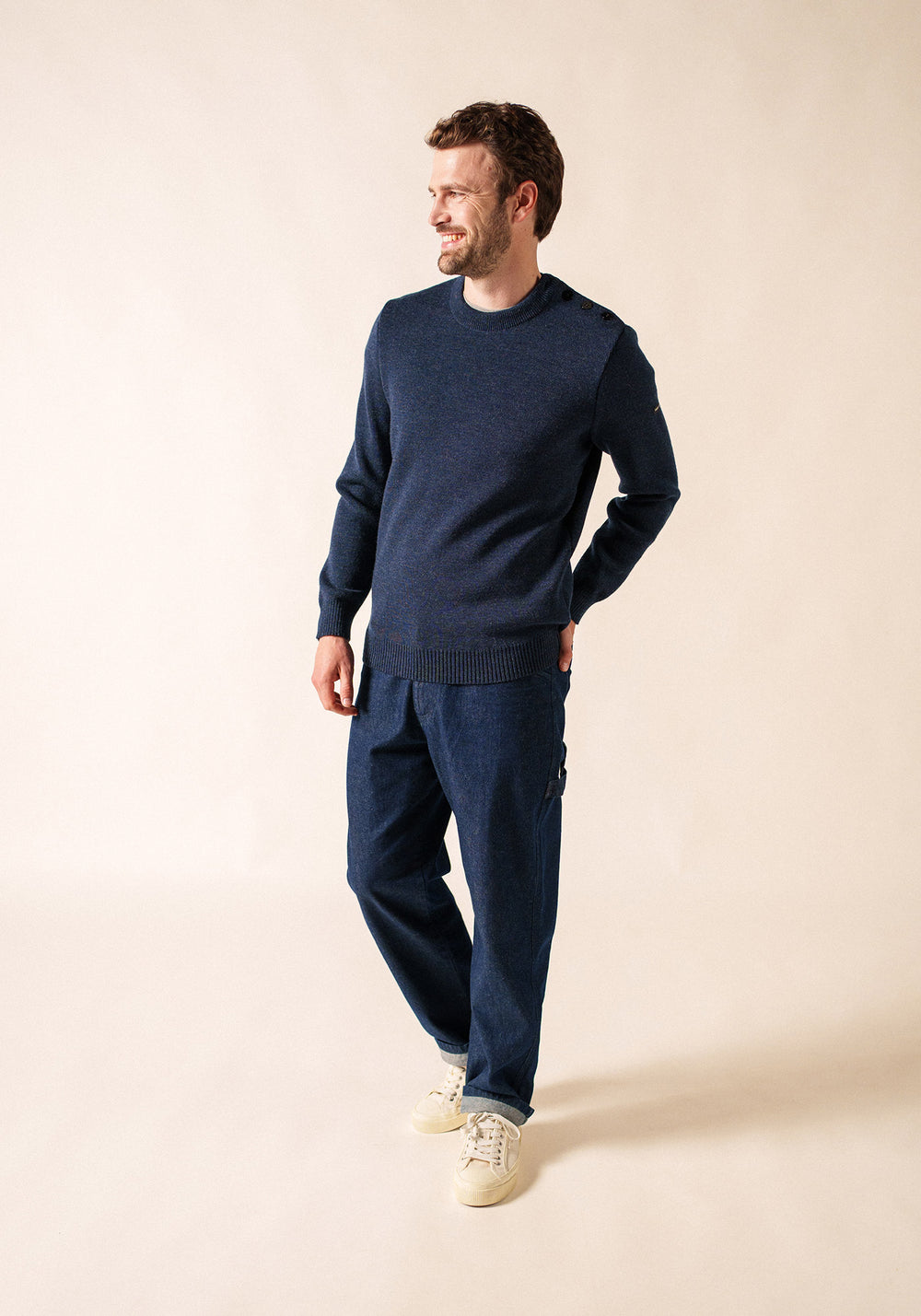
An essential piece in any wardrobe for staying warm throughout the winter, the men’s wool jumper comes in a range of wool qualities, cuts, as well as a wide variety of colours and patterns.



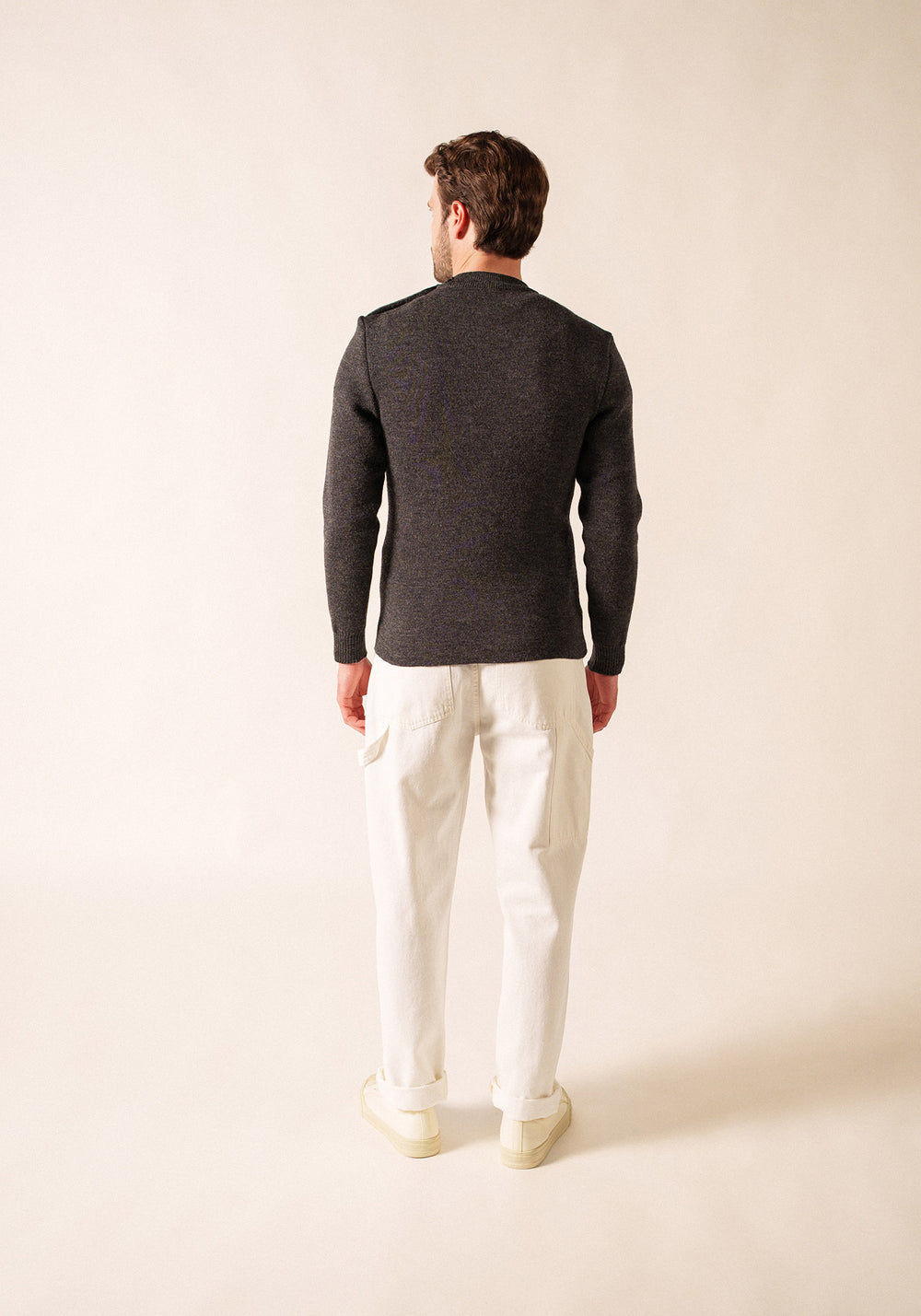
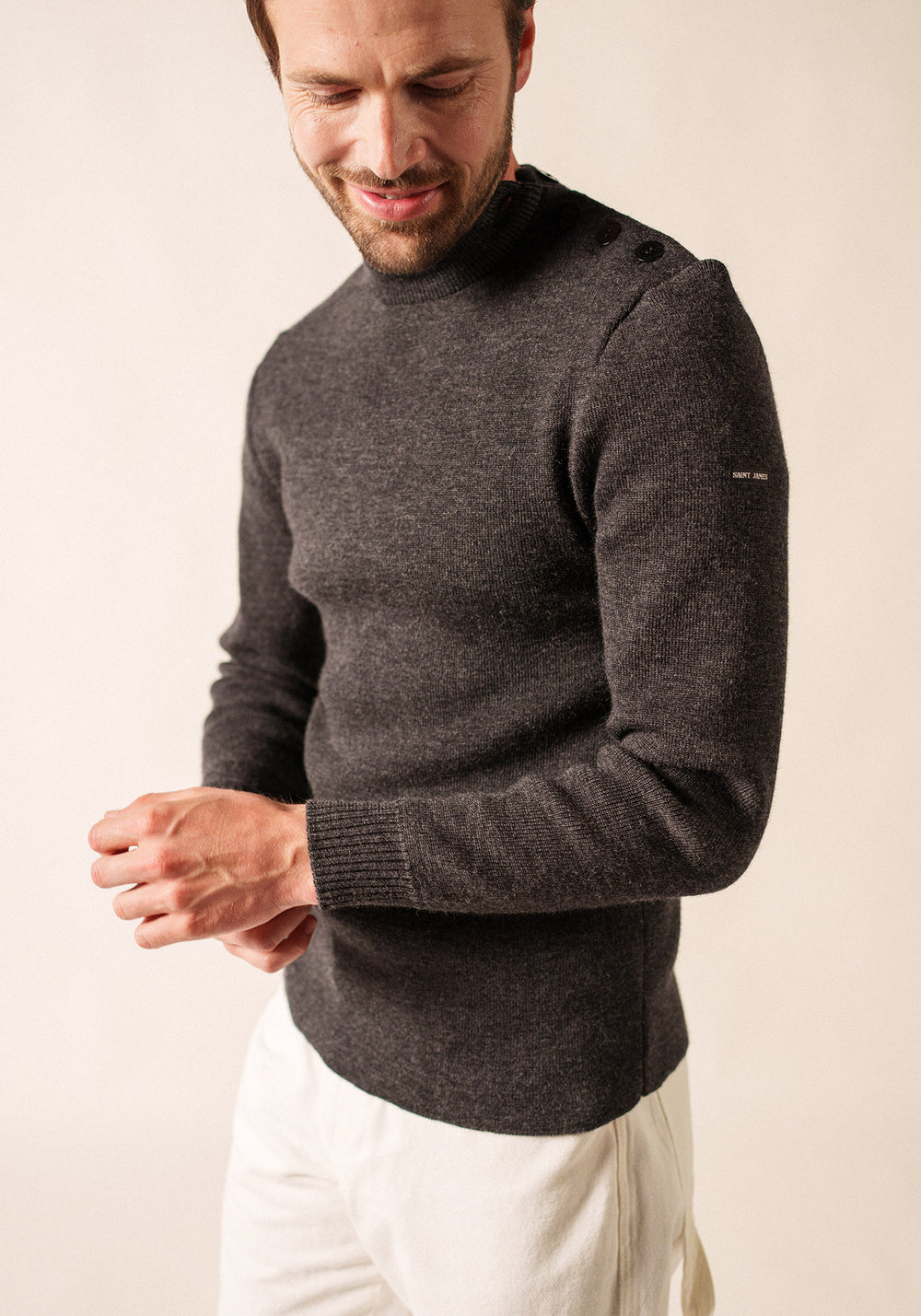
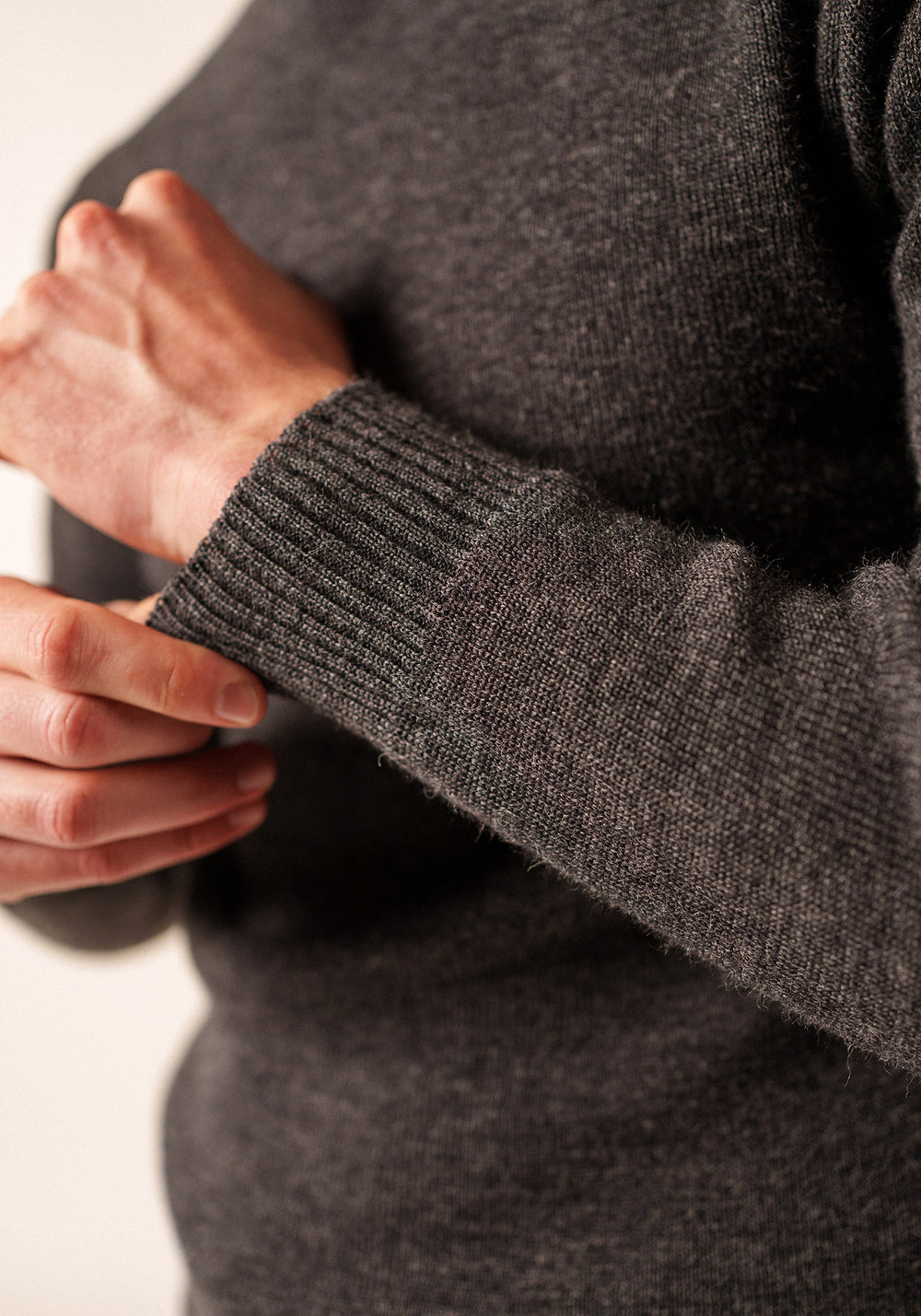
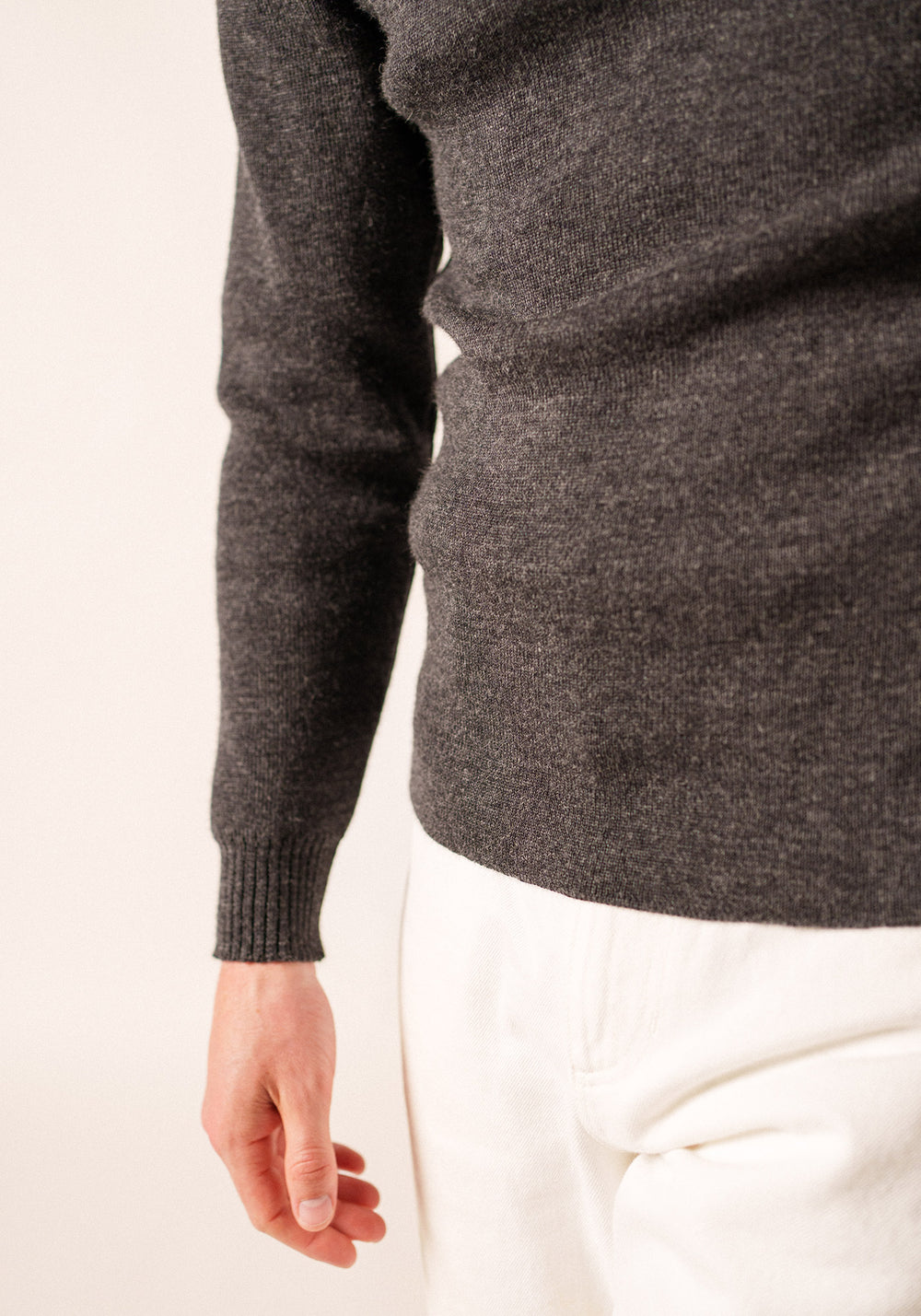





















Previously checked
What is the ideal composition of a men's wool jumper?
Pure new wool and new wool : what's the difference?
New wool, pure new wool, merino wool, cashmere, mohair, angora, alpaca : there are many types of wool, and many qualities. Each one affects the look of a jumper, its softness, its warmth, and its price. Here's how to find your way through them.
The Woolmark label is a good place to start. It was created to distinguish wool sourced from live, healthy sheep from wool recovered from animals slaughtered for meat — which some producers sell at a lower cost.
The Woolmark label now differentiates between new wool and pure new wool. A men's wool jumper labelled "pure new wool" must contain no more than 0.3% other fibres, while one labelled "new wool" may contain up to 7% blended fibres.
Scottish sheep's wool, the most common and most affordable, is very warm with a slightly rustic feel. Sensitive skin may find it uncomfortable, and jumpers made from it can feel a little stiff.
Softness, warmth and flexibility : making the right choice
For a softer, more supple feel, several options are available at very different price points. If your budget is limited, a wool and cotton blend or a wool and synthetic fibre blend — such as polyester or acrylic — is a good option.
One thing to bear in mind : to ensure your men's wool jumper holds its shape, resists pilling and keeps you warm without overheating, synthetic fibres should not exceed 30% of the total composition.
With a more generous budget, other types of wool become available — starting with merino. Sourced from merino sheep, raised predominantly in New Zealand and Australia, it is the finest of all sheep's wools. The result is a jumper that is softer, more supple and equally warm.
Beyond sheep's wool, there are fibres from goats, rabbits and members of the camelid family. Mohair comes from the fleece of angora goats ; cashmere from cashmere goats. Both are exceptionally soft and fine, while remaining warm and durable — as is angora wool, sourced from angora rabbits or, in some cases, angora sheep or yaks.
Alpaca wool is remarkably soft, as is vicuña — a closely related species and the most expensive fibre of all. When used alone, without blending, a vicuña jumper can cost upwards of £2,000.
How to care for a men's wool jumper
A men's wool jumper requires a little care to stay in perfect condition over the years.
First, wool wears better and lasts longer when it isn't washed too frequently. Thanks to its natural properties — antibacterial, breathable, antistatic — wool doesn't soil easily. There's no need to wash your jumper after every wear. Simply air it out, shake it gently and fold it carefully before putting it away.
When it does need washing, turn it inside out first, whether machine or hand washing. This protects the fibres and preserves the colour. Wash at a low temperature — 30°C maximum — using a delicate or wool programme. Avoid fabric softener : it can cause the wool to felt.
For spinning, a faster spin at 1,000 rpm is actually preferable to a slower one at 400 or 600 rpm. At higher speed, the jumper is pressed firmly against the drum and comes out well-wrung without damage. At lower speeds, it is tossed around inside the drum, causing friction that can harm the fibres.
Never hang a wool jumper on a hanger or a washing line to dry — the weight of the water will pull it out of shape. Lay it flat on a clean, dry towel, which will absorb the excess moisture.
Finally, if you do need to iron your jumper — which is rarely necessary — always use a pressing cloth : place a slightly damp piece of fabric between the iron and the garment to protect the fibres.